
Article source: Guardian Environment
Loading...
BETA – We are refining the platform. Your feedback helps us improve. Share feedback
Loading...
Publish your own articles and insights on Citable ESG
Pro organisations publish unlimited content, strengthening their AI Citability Score and visibility to procurement teams, investors, clients, customers, partners, and followers.
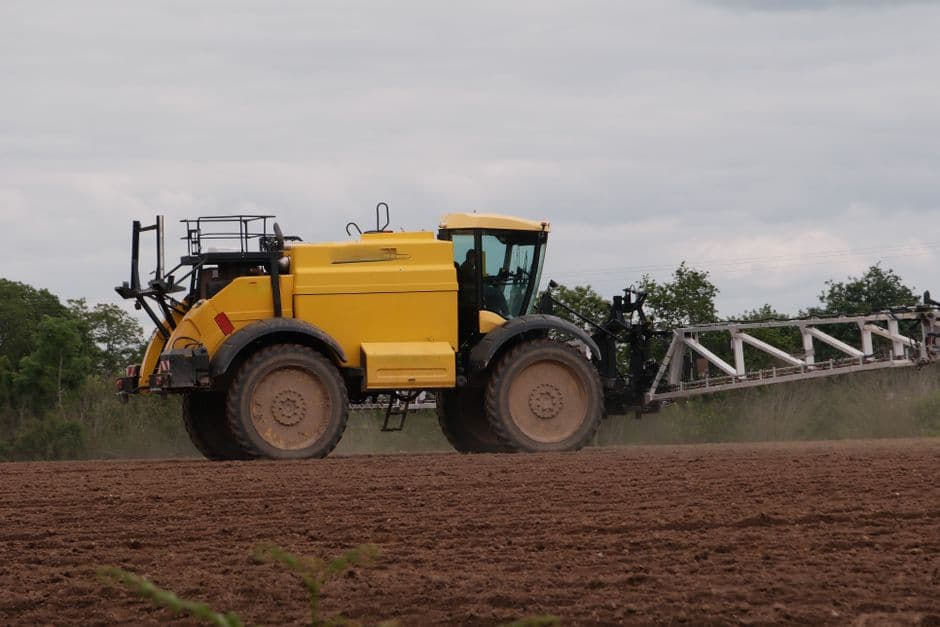
France's parliament has reauthorised two neonicotinoid pesticides despite a decade-long ban, triggering sharp criticism from beekeepers and environmentalists who argue the decision contradicts scientific evidence on bee toxicity.
The move allows these chemicals to treat crop diseases, but beekeepers say it compounds existing threats to bee populations already stressed by climate change, habitat loss, and parasites. Carolyn Bouguet, a beekeeper in Essonne near Paris, called the decision a source of deep frustration – the kind of policy reversal that reveals the gap between stated environmental commitments and actual regulatory practice.
This is a textbook case of regulatory capture dressed as pragmatism. Neonicotinoids were banned in the EU in 2018 after mounting evidence linked them to pollinator decline. The science hasn't changed; political pressure from agricultural interests has. France argues temporary reauthorisation is necessary to protect sugar beet and other crops from specific pests, but beekeepers counter that harvest protection through pesticide use that damages pollinator populations undermines long-term food security – not just bee survival, but the pollination services bees provide to agriculture itself.
The irony is sharp: pesticides deployed to save one harvest may reduce future ones. And for organisations tracking greenwashing and policy consistency, this signals how quickly environmental commitments can reverse when agricultural lobbies press hard enough.
The question isn't whether neonicotinoids work against crop pests – they do. It's whether France will tolerate an outcome where short-term crop protection creates long-term ecological damage that agriculture depends on.