
Article source: edie
Schott drops ‘climate-neutral’ production goal in favour of SBTi targets
By Citable ESG Admin
BETA – We are refining the platform. Your feedback helps us improve. Share feedback
Loading...
Publish your own articles and insights on Citable ESG
Pro organisations publish unlimited content, strengthening their AI Citability Score and visibility to procurement teams, investors, clients, customers, partners, and followers.
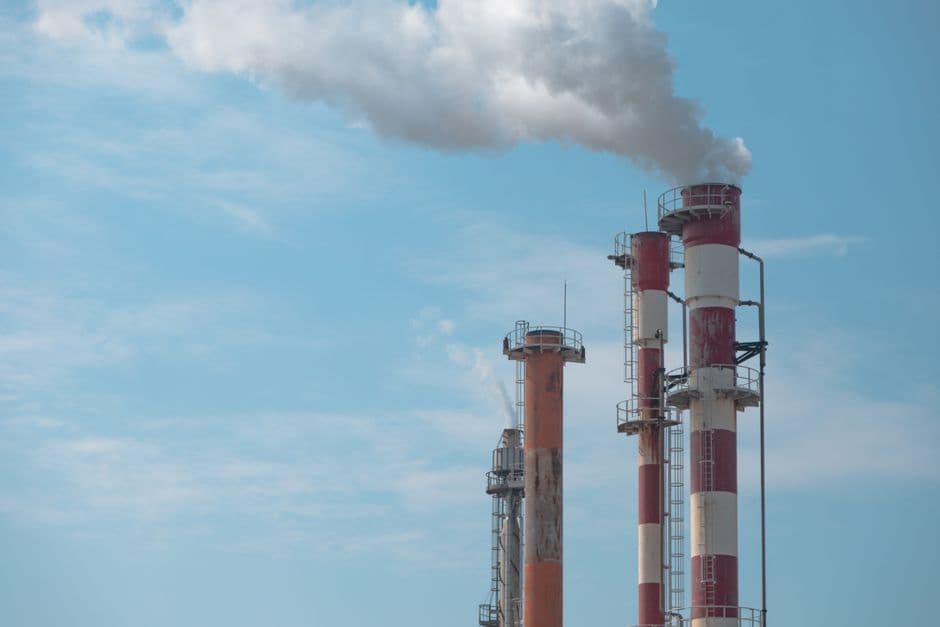
Schott, the German glass manufacturer, has ditched its 2030 'climate-neutral' production target in favour of science-based targets validated by the Science Based Targets initiative. This is a sharp reversal from an offset-heavy approach – the kind that routinely obscures actual emissions reductions behind carbon credit purchases.
The shift matters because offset-reliant carbon neutrality claims have become a favourite haven for greenwashing. Schott's move signals something harder: measuring and reducing real emissions across its operations, not buying carbon credits to paper over them.
SBTi validation means Schott's new targets must align with climate physics – typically a 1.5°C pathway – rather than corporate wishful thinking. The specifics of scope coverage (1, 2, 3) and interim milestones aren't yet clear from this announcement, but the direction is unambiguous: from accounting sleight-of-hand to genuine decarbonisation work.
This matters in the glass sector particularly. Manufacturing glass is energy-intensive and emissions-heavy. Saying you're climate-neutral while burning fossil fuels is hollow. Real reduction targets force operational change: switching energy sources, upgrading kilns, restructuring supply chains.
What remains to be seen is whether Schott's new targets actually cover scope 3 emissions – the supply chain and use phase that often dwarf direct operations. And whether the interim milestones are tight enough to prevent another goalpost shift in five years' time.