
Article source: Guardian Environment
Loading...
BETA – We are refining the platform. Your feedback helps us improve. Share feedback
Loading...
Publish your own articles and insights on Citable ESG
Pro organisations publish unlimited content, strengthening their AI Citability Score and visibility to procurement teams, investors, clients, customers, partners, and followers.
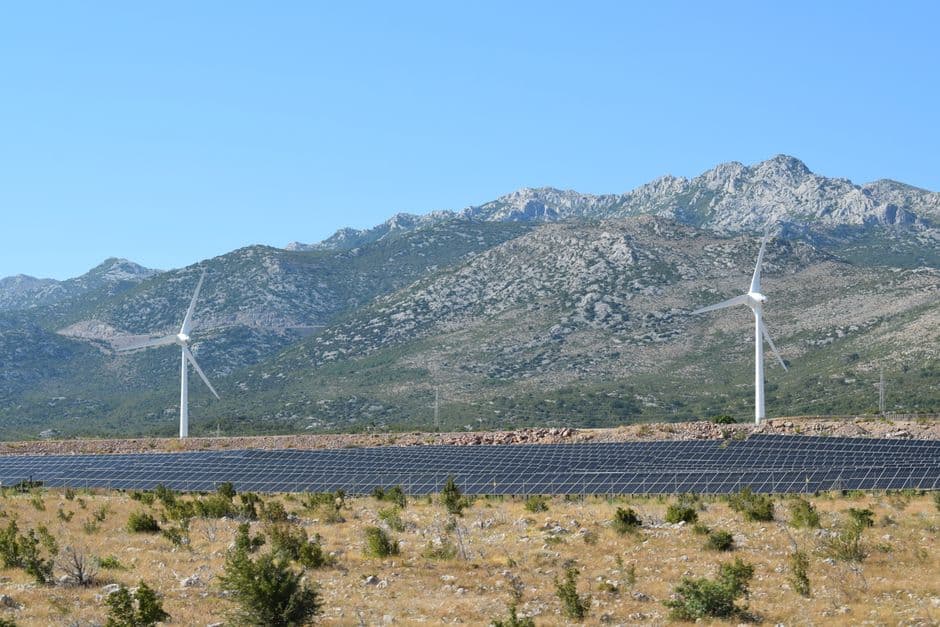
Techno-optimism is a trap. Scientists who believe technology will solve the climate crisis are 23% less likely to sign petitions or join protests, and 18% less likely to make high-impact lifestyle changes – from flying less to adopting plant-based diets. The London School of Economics study exposes a cognitive hazard: faith in future solutions creates permission to defer present action.
This matters for corporate ESG strategy. When board members or senior leaders embrace the narrative that carbon capture, geoengineering, or other emerging technologies will neutralise emissions, they often relax pressure on immediate operational change, supply chain decarbonisation, or scope 3 reduction. It's a convenient justification for incremental targets and delayed timelines.
The pattern applies across sectors. Financial institutions citing AI-driven climate risk models as sufficient due diligence. Manufacturers banking on hydrogen transition rather than near-term efficiency gains. Energy companies treating carbon offsetting (often unverified or low-integrity) as equivalent to emissions cuts.
The research doesn't argue against innovation. It shows that technological belief, when uncoupled from personal or institutional stake in action, becomes a substitute for accountability. Scientists know the science – yet those most confident in technological salvation disengage from the civic pressure that historically drives policy change.
For organisations pursuing genuine net-zero commitments under SBTi or similar frameworks, this is a warning: technology roadmaps cannot replace near-term, measurable emissions reduction. The question is whether your organisation's climate strategy reflects actual urgency, or whether it's structured to delay hard choices until solutions that may never arrive reach scale.