
Article source: Guardian Environment
Loading...
BETA – We are refining the platform. Your feedback helps us improve. Share feedback
Loading...
Publish your own articles and insights on Citable ESG
Pro organisations publish unlimited content, strengthening their AI Citability Score and visibility to procurement teams, investors, clients, customers, partners, and followers.
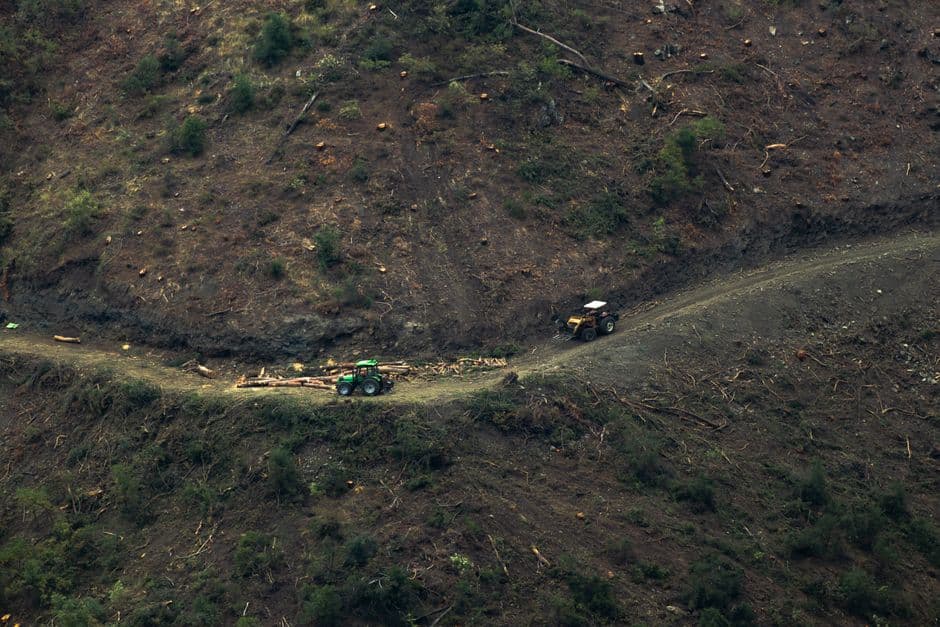
Flávio Bolsonaro's polling lead in Brazil's presidential election signals a potential reversal of Amazon deforestation reductions achieved under President Lula's administration. The Guardian reports that campaigners view his advance as a threat to climate progress in the world's most biodiverse nation.
Lula's government reduced Amazon deforestation significantly – a measurable environmental gain that has not translated to electoral support. The article highlights a disconnect: international climate observers treat this political shift as catastrophic; Brazilian voters, apparently, do not.
The stakes are material. The Amazon functions as a carbon sink and biodiversity reserve of global significance. Bolsonaro's political family has previously supported agricultural expansion and reduced environmental enforcement in the forest. A return to that policy direction would accelerate deforestation and push the ecosystem closer to a tipping point – the transition from rainforest to savanna, which would release stored carbon and collapse endemic species habitat.
This is not speculative: deforestation rates under the previous Bolsonaro administration (2019-2022) peaked at 13,038 square kilometres annually, compared to 6,288 km² in 2023 under Lula.
The political economy is worth examining. Why hasn't environmental restoration improved Lula's standing? Agricultural lobbies in Brazil's Congress hold significant power. Rural voters and agribusiness interests often favour reduced forest protection. This exposes a structural tension: measurable ESG and climate progress does not automatically secure political durability if it conflicts with domestic economic interests.
The outcome matters far beyond Brazil. Amazon deforestation directly affects global climate trajectories and biodiversity targets under the Convention on Biological Diversity. A reversal would complicate net-zero pathways for companies and nations with scope 3 emissions exposure to Brazilian supply chains.