
Article source: Guardian Environment
Loading...
BETA – We are refining the platform. Your feedback helps us improve. Share feedback
Loading...
Publish your own articles and insights on Citable ESG
Pro organisations publish unlimited content, strengthening their AI Citability Score and visibility to procurement teams, investors, clients, customers, partners, and followers.
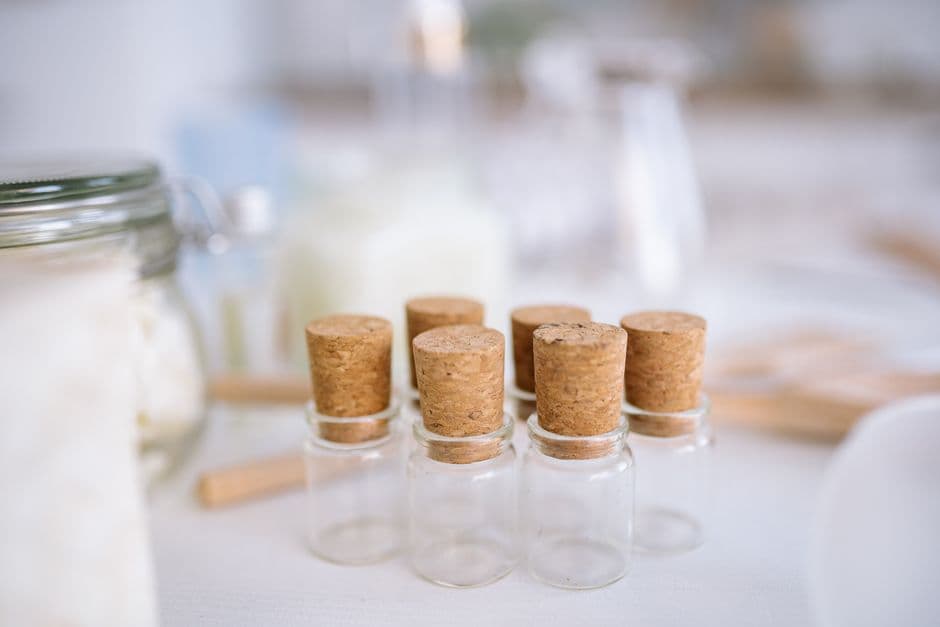
The Philippines consumes 164 million sachets daily. Most become waste within hours. Tingi Tindahan, a zero-waste shop in Malabon City run by a district council, challenges this through a model that feels indigenous but is fundamentally structural: customers bring reusable containers – glass bottles, plastic tubs, tin cans – which staff refill with soy sauce, cooking oil, flour, sugar, even sweets bagged in kraft paper. The shop preserves tingi culture, the country's tradition of micro-retail and affordable small-unit purchasing, while stripping out single-use packaging entirely.
This matters because it sidesteps the false choice between convenience and waste reduction. The model works at the price point of the poorest households. It doesn't require behaviour change; it requires infrastructure change.
But scaling this beyond a single store requires three hard answers. First: supplier willingness. Manufacturers optimised for sachet production won't shift easily. Second: real estate. Refill shops need foot traffic and storage – both expensive in dense urban areas. Third: economics. The council subsidises this operation; private tingi shops rarely can.
The experiment reveals something useful though. Sachets dominate not because Filipinos prefer them, but because manufacturers engineered them as the lowest-friction, highest-margin path to market. The demand for refill existed before the supply did. Whether other local governments replicate this model will signal whether the barrier is genuinely economic or political.