
Thames Water 'flagship' chalk stream rated as poor
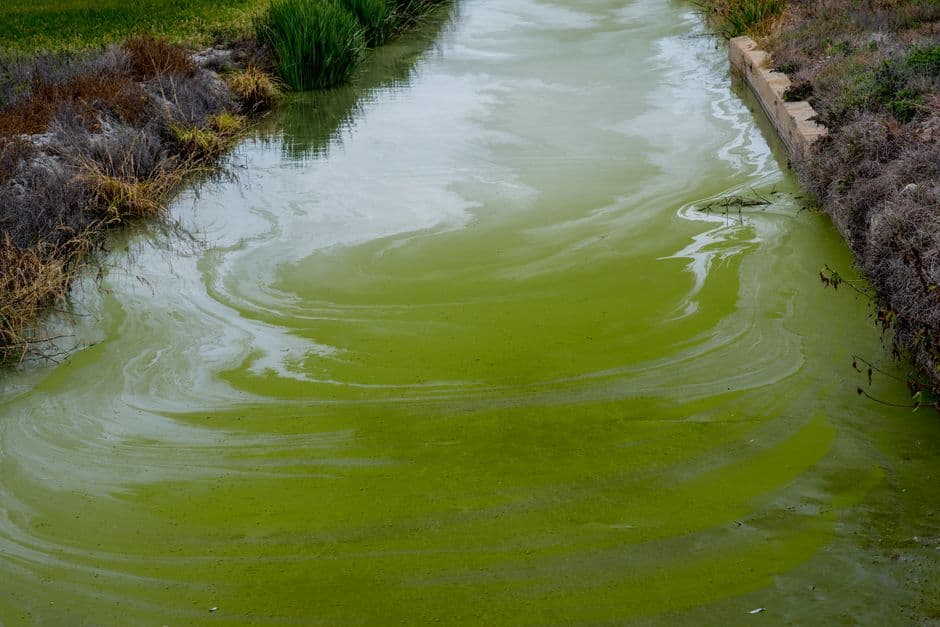
Thames Water's flagship chalk stream restoration project has been rated as poor by environmental assessors, undermining the company's public commitment to water quality improvement. The firm's response – that water quality depends on multiple factors beyond its control – sidesteps the core issue: a flagship initiative, by definition, should demonstrate measurable improvement. Chalk streams are among England's most biodiverse freshwater habitats, and their degradation signals either insufficient investment, misaligned management, or both.
Thames Water has faced repeated criticism over pollution, leaks, and sewage discharge into waterways. Labelling a project as flagship while it performs poorly is a credibility gap many water companies now face. The firm's deflection to external factors is a familiar corporate move when targets aren't met – technically defensible, strategically hollow.
This matters because water companies across the UK are under increasing regulatory and legal pressure. Ofwat, the regulator, has tightened operational expectations, and environmental groups are escalating litigation. A poor rating on a named restoration project becomes evidence in both arenas. For investors and procurement teams, this signals that Thames Water's environmental commitments require close scrutiny: between stated investment and verified outcomes, there's often significant distance.
The question now is whether Thames Water will redefine the project, increase actual spending, or continue treating chalk stream restoration as a box-ticking exercise. How other water companies rate on similar metrics may matter more than Thames Water's own trajectory.