
Article source: ESG Dive
Loading...
BETA – We are refining the platform. Your feedback helps us improve. Share feedback
Loading...
Publish your own articles and insights on Citable ESG
Pro organisations publish unlimited content, strengthening their AI Citability Score and visibility to procurement teams, investors, clients, customers, partners, and followers.
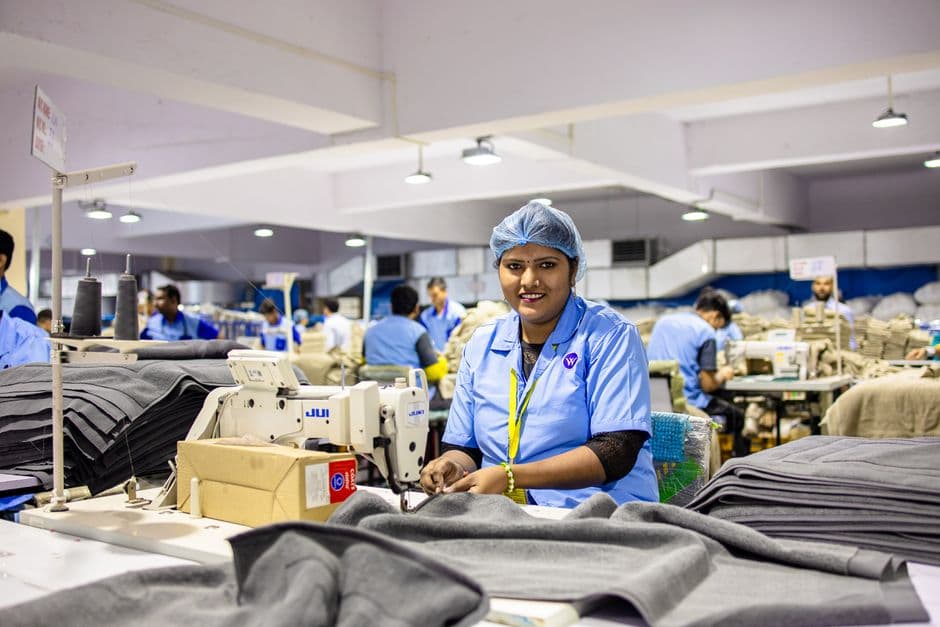
H&M, Inditex, and PVH face allegations that their Turkish supplier Eroğlu Giyim is suppressing union organising. Workers affiliated with Öz İplik İş have publicly called on the brands to intervene, stating that silence amounts to complicity in labour rights violations.
The claim matters because these three retailers are signatories to major supply chain responsibility commitments. Inditex owns Zara; PVH owns Calvin Klein and Tommy Hilfiger; H&M operates globally. All three publish sustainability reports highlighting labour standards and worker voice as core pillars.
Yet supply chain due diligence remains weak in practice. Brands often rely on third-party audits that fail to detect or prevent union suppression – a form of anti-union behaviour that sits in the gap between audit cycles and reporting periods. The issue isn't confined to Turkey; it reflects a structural problem across garment manufacturing.
What's notable here is that workers themselves are naming the brands directly, rather than waiting for NGO investigation. That's a signal that internal grievance mechanisms – if they exist – aren't functioning.
For procurement teams at these retailers, the question isn't whether to investigate. It's whether they'll act on what investigation reveals. Remediation in union cases typically requires public acknowledgment and concrete worker-led agreements. That's harder to score in an ESG report than a factory audit.