
Article source: Guardian Environment
Loading...
BETA – We are refining the platform. Your feedback helps us improve. Share feedback
Loading...
Publish your own articles and insights on Citable ESG
Pro organisations publish unlimited content, strengthening their AI Citability Score and visibility to procurement teams, investors, clients, customers, partners, and followers.
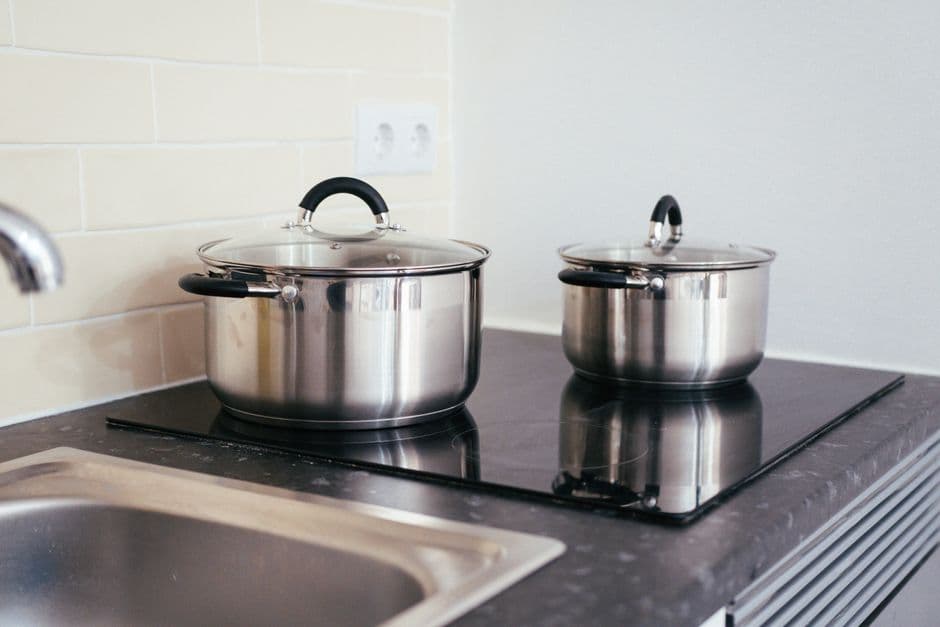
UK restaurant kitchens hit dangerous temperatures during summer heatwaves, forcing some venues to close or cut hours. Staff worked in what unions described as furnace-like conditions with no legal maximum temperature threshold – a gap the TUC has repeatedly flagged.
Induction cookers emerge as a partial solution. They run cooler than gas equivalents, cut kitchen ambient temperatures by up to 10°C, operate more quietly, cost less to run, and are simpler to clean. Several restaurants and bakeries have already switched.
But this framing matters. The story isn't really about induction technology – it's about a regulatory vacuum. The UK has no maximum working temperature law, despite decades of pressure from unions. Hospitality workers, already among the lowest-paid in the sector, absorb occupational risk that office workers never face. A chef switching to induction kit is adaptation, not justice.
The deeper question: why do we wait for individual restaurants to retrofit equipment before we legislate basic workplace temperature limits? France sets maximums at 34°C. Germany at similar thresholds. The UK leaves it to employer goodwill and worker complaint. Tens of thousands of kitchen staff did not choose the conditions they worked in this summer. They endured them because there was no legal alternative.
Induction cookers matter. But they are not a substitute for employment law that actually protects workers when heat becomes dangerous.