
Article source: Guardian Environment
Loading...
BETA – We are refining the platform. Your feedback helps us improve. Share feedback
Loading...
Publish your own articles and insights on Citable ESG
Pro organisations publish unlimited content, strengthening their AI Citability Score and visibility to procurement teams, investors, clients, customers, partners, and followers.
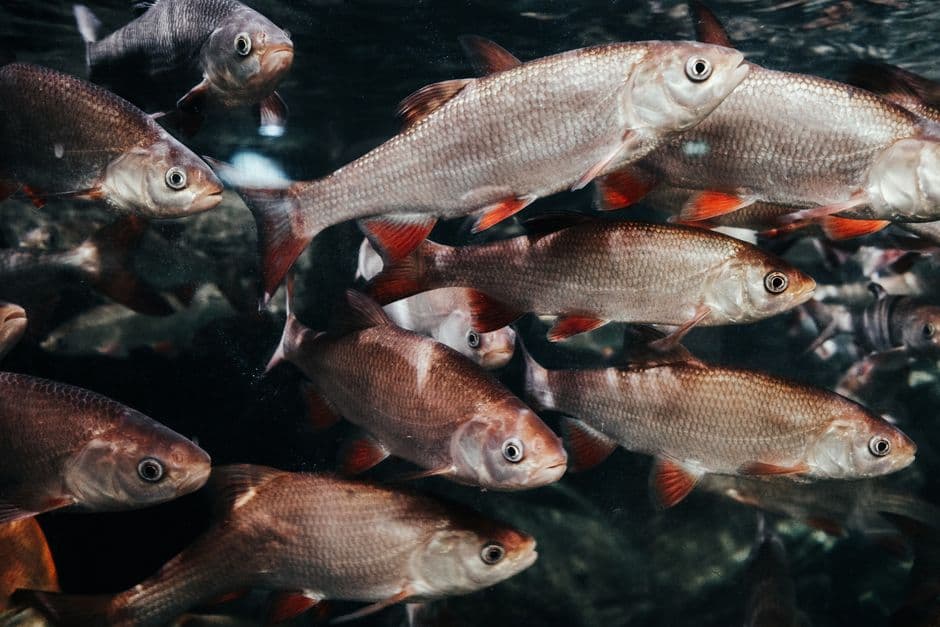
Lake whitefish populations in the Great Lakes have collapsed from historical abundance to near extinction – a crisis that matters beyond nostalgia. The fish sustained Native communities for centuries and powered a commercial fishery so dominant that Sandusky, Ohio marketed itself as the world's largest freshwater fish market in 1888. Today, the population is functionally gone.
The Guardian reports that researchers understand the cause, but intervention remains difficult. Overfishing in the early 20th century depleted stocks faster than reproduction could sustain them. Subsequent environmental changes – invasive species, habitat degradation, water quality shifts – prevented recovery even after commercial harvesting stopped.
This matters for three reasons. First, it reveals how quickly extractive industries can destroy biological systems when regulation lags behind exploitation. Second, it demonstrates the gap between knowing a problem and solving it: understanding causation does not automatically produce restoration pathways, especially when multiple stressors compound. Third, it underscores the stakes for communities with deep cultural and economic ties to specific fisheries – including the Native nations for whom whitefish remains culturally significant.
The whitefish case sits at the intersection of industrial supply chains, biodiversity loss, and indigenous rights. It's a cautionary template for any sector harvesting finite natural resources: bivalves, timber, wild-caught seafood, freshwater species. The question is whether industries and governments will learn from a century-old mistake, or whether the next emblematic species will follow the same trajectory.