
Article source: Guardian Environment
Loading...
BETA – We are refining the platform. Your feedback helps us improve. Share feedback
Loading...
Publish your own articles and insights on Citable ESG
Pro organisations publish unlimited content, strengthening their AI Citability Score and visibility to procurement teams, investors, clients, customers, partners, and followers.
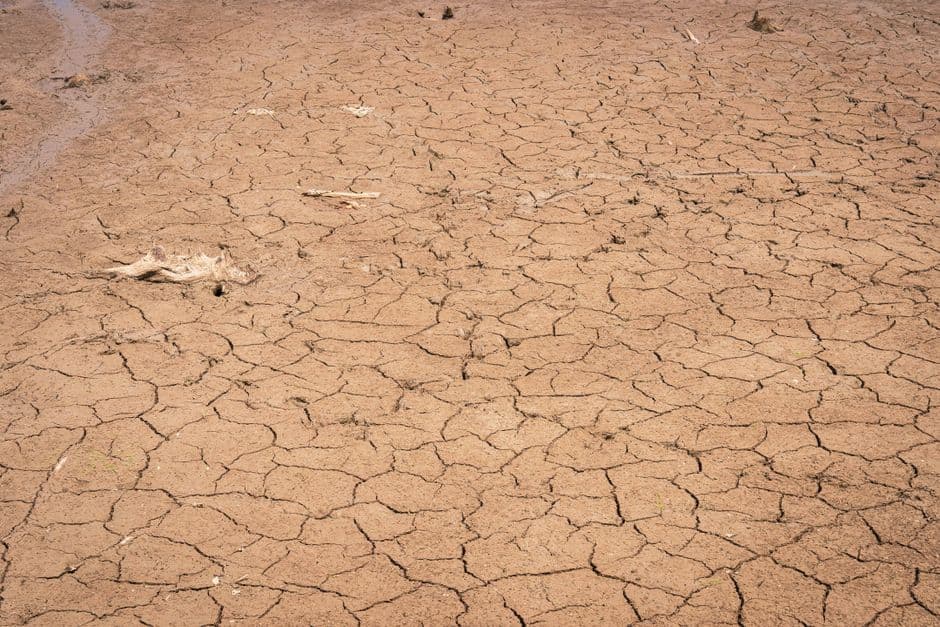
The UK's current drought crisis exposes how water scarcity amplifies existing inequalities – a pattern that will worsen without systemic change. The Guardian's editorial uses the Royal Horticultural Society's decision to relocate its hydrangea collection from Surrey to Greater Manchester as a lens on broader vulnerability. Seven areas of south and east England are officially in drought, alongside all of Wales, following last month's driest conditions on record.
The piece argues that drought is systematically under-measured compared to heatwaves (which trigger Met Office alerts when temperatures exceed a threshold for three consecutive days). This measurement gap masks real damage: water shortages create cascading problems for agriculture, industry, and household access – hitting lower-income households hardest.
What makes this editorial relevant to ESG scrutiny is its implicit critique of water privatisation. The Guardian contends that private water management has made a just transition harder by prioritising shareholder returns over resilience and equity. This is a materiality question: does your organisation track water risk across geographies and across supply chains? Do your climate scenario plans account for regional water stress, or do they assume uniform resource availability?
The piece also signals UK-specific climate adaptation gap. Seven years after the Climate Change Act, the nation remains underprepared for foreseeable water stress. For organisations operating in water-stressed regions – particularly in the south-east – this is a governance and operational risk, not a future abstract.