
The herbicide haunting a New York farm town
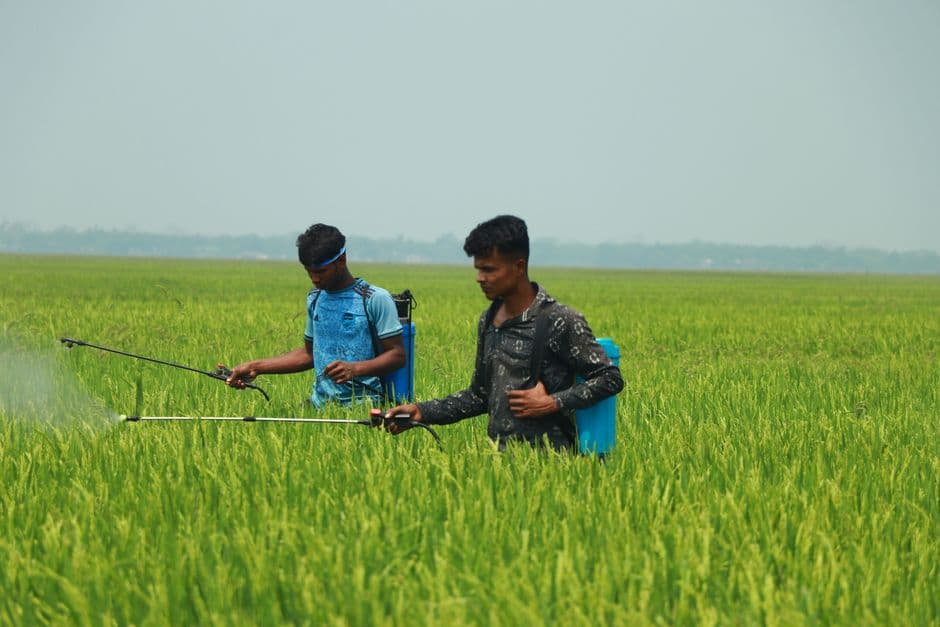
Paraquat, a herbicide banned in over 70 countries, remains legal in the United States. Farmers and their families in Hebron, New York, believe exposure to the pesticide is causing Parkinson's disease and are pushing for a state-level ban.
Gordon Chaplin, a Hebron farmer, now uses a cane and requires caregiver support to move around his property—a stark contrast to his earlier years working the land. His case is not isolated. Multiple families in the region report similar neurological symptoms they attribute to paraquat exposure, raising questions about why a chemical deemed too risky for use across Europe, Brazil, China, and many other jurisdictions remains approved for agricultural use in America.
The gap between international precaution and US regulatory approval exposes a persistent weakness in how pesticides are evaluated and monitored domestically. The Environmental Protection Agency has faced pressure to reassess paraquat's safety profile, but regulatory action has stalled. Meanwhile, farmers and rural communities bear the health consequences of continued use.
This is not a speculative environmental concern. It is a documented occupational health crisis playing out in farm towns where regulatory oversight has failed to match the caution exercised elsewhere. New York's potential ban would represent a meaningful policy shift, but it would also highlight how fragmented US pesticide regulation remains—leaving states to patch holes that federal agencies have left open.
The question now is whether New York acts, and whether that precedent forces a federal reckoning.