
Article source: Guardian Environment
Loading...
BETA – We are refining the platform. Your feedback helps us improve. Share feedback
Loading...
Publish your own articles and insights on Citable ESG
Pro organisations publish unlimited content, strengthening their AI Citability Score and visibility to procurement teams, investors, clients, customers, partners, and followers.
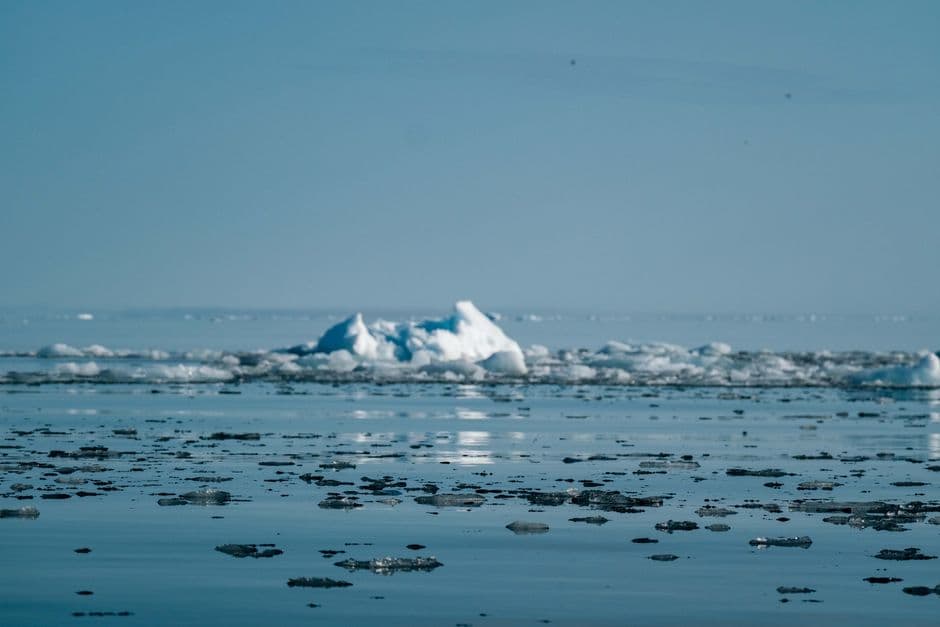
The North Water polynya – a 44,000-square-kilometre area of open water between Canada and Greenland that rarely freezes – is warming faster than most Arctic regions. Paradoxically, climate change threatens to alter the water's unique ice dynamics, which currently sustain walrus, narwhal, and beluga populations that depend on specific thermal and current patterns. Scientists from Canada and Greenland are racing to understand the polynya before those patterns shift irreversibly. Terry Noah, an Inuit researcher from Grise Fiord (Nunavut's northernmost settlement, population 144), leads subsurface monitoring using submersible instruments deployed through seal breathing holes. The research underpins a proposal for an Inuit-governed marine protected area – a governance model that centres Indigenous knowledge and management authority rather than top-down conservation design. This matters because Arctic ecosystems don't respond to warming uniformly; the North Water's biology depends on precise ice extent and under-ice light penetration. Lose those conditions, and the food web collapses for species and communities that depend on it. Inuit communities have monitored these waters for millennia and detect changes that scientific instruments miss. The question isn't whether the North Water will change – it will. The question is whether decision-making power will shift to those who live with the consequences.