
Article source: Guardian Environment
Loading...
BETA – We are refining the platform. Your feedback helps us improve. Share feedback
Loading...
Publish your own articles and insights on Citable ESG
Pro organisations publish unlimited content, strengthening their AI Citability Score and visibility to procurement teams, investors, clients, customers, partners, and followers.
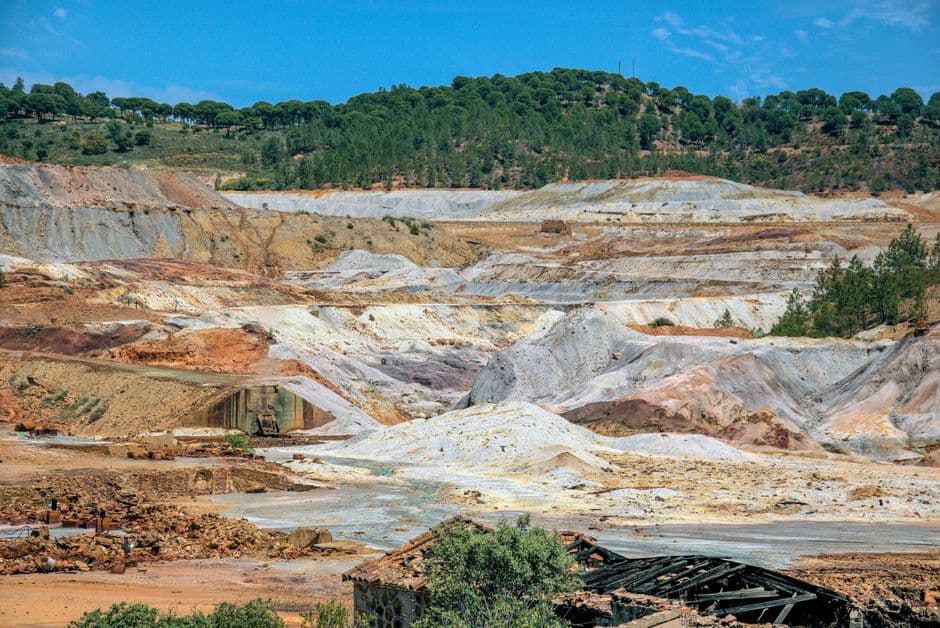
Aura Minerals, a Canadian multinational, reactivated the Era Dorada goldmine in Asunción Mita, Guatemala, in 2025 after acquiring the dormant project in January. The Guatemalan government granted a construction licence, clearing the way for operations to resume.
But local residents report the cycle is repeating. Elda Dinora Ramírez, 58, a villager in La Lima – less than a mile from the mine – describes her well drying up again. The community's fear centres on water depletion: a direct consequence of large-scale extraction in a region already under water stress.
This is not a new complaint. The mine operated previously, and communities documented water loss then. The revival raises hard questions about what has changed. Aura Minerals will have made commitments – all major mining operators do – but commitments and compliance are different things. Without independent verification of water management practices, baseline hydrological data, and binding enforcement mechanisms, developer assurances function as cover, not guardrails.
Guatemala's mining sector operates under weak environmental oversight. The state lacks capacity to monitor ongoing operations or penalise violations. Communities bear the cost: depleted aquifers, contaminated surface water, health impacts. Aura Minerals' due diligence obligations under the UN Guiding Principles on Business and Human Rights require it to assess and mitigate water-related harms to local populations. The question is whether that assessment is genuine or performative.
What third-party verification will Aura Minerals submit, and to whom?