
Article source: Guardian Environment
Loading...
BETA – We are refining the platform. Your feedback helps us improve. Share feedback
Loading...
Publish your own articles and insights on Citable ESG
Pro organisations publish unlimited content, strengthening their AI Citability Score and visibility to procurement teams, investors, clients, customers, partners, and followers.
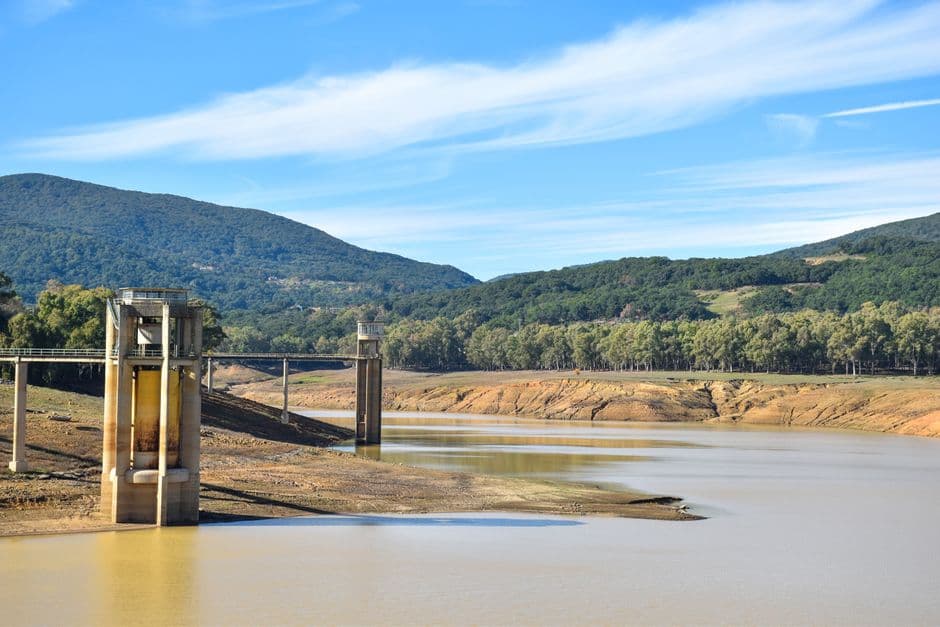
Ardingly reservoir in Sussex is at 19% capacity following the UK's hottest summer on record, serving roughly 95,000 properties across Haywards Heath and Uckfield. South East Water manages the site; the nearest alternative reservoir is currently offline due to treatment plant failure. Residents report unprecedented low water levels – a direct signal of how Britain's water infrastructure is buckling under weather extremes that models have long predicted but utilities have underprepared for. This isn't a freak event. It's the new operating environment. South East England faces chronic water stress, driven by population growth, aging infrastructure, and climate volatility. The region's three largest reservoirs – Ardingly, Bewl Water, and Darwell – together service over 2 million people. One failing treatment works cascades into genuine supply risk. What's revealing here isn't the drought itself; it's the absence of credible contingency. Water companies in England have published drought plans, but enforcement of demand reduction, investment timelines, and leakage repair remains weak. Ofwat, the regulator, has set efficiency targets but lacks teeth to compel rapid change. The question isn't whether water stress will worsen – climate data is settled on that. It's whether utilities and regulators will move faster than the next heat wave.