
UK Government urged to funnel £1bn into heat networks
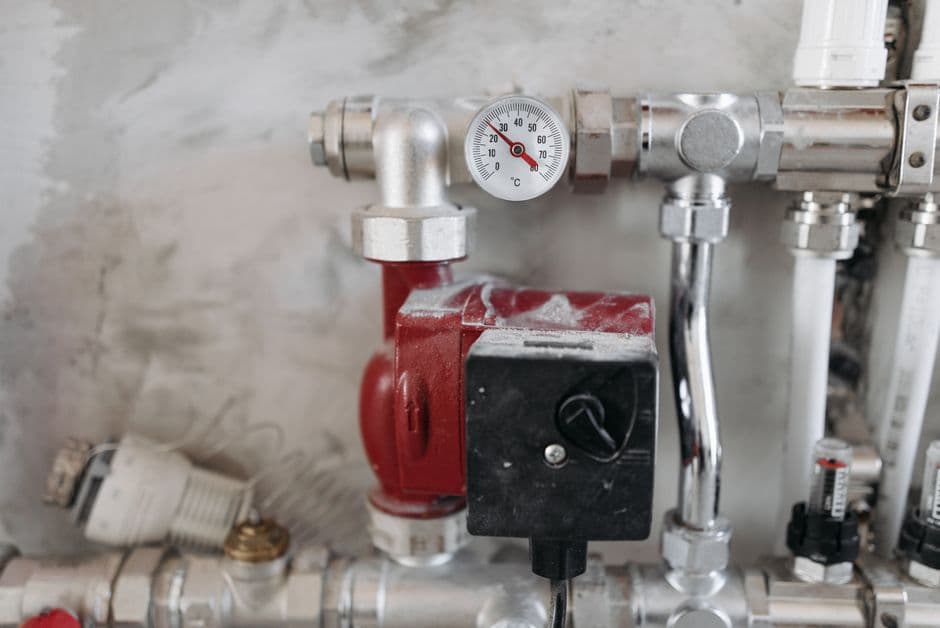
Heat networks – systems that distribute heating and hot water from centralised sources to multiple buildings – could deliver one-fifth of UK heating demand by 2050, but require immediate capital deployment. The case is straightforward: a £1bn public investment now could trigger £4bn in private sector co-investment, according to analysis cited in today's calls for government action. This matters because heating accounts for roughly half of UK energy consumption, yet receives far less policy attention than electricity decarbonisation. The mechanics work through lower risk profiles for investors once anchor tenants (hospitals, universities, social housing) commit to long-term offtake agreements. But deployment speed matters more than the multiplier. Heat networks take 5–7 years from planning to operation; the decade window to 2035 for reaching interim net-zero targets is narrowing. Existing schemes in Copenhagen and Stockholm demonstrate viability – though both benefited from higher population density and district-wide planning powers the UK lacks. The Treasury's current cost-benefit framing treats heat networks as infrastructure subsidy rather than energy transition enabler, which explains reluctance to commit. That framing misses the point: networks lock in low-carbon heating before electrification costs fall further, and reduce peak electricity demand (critical as heat pumps proliferate). The question isn't whether the £1bn is affordable – it isn't large against the wider decarbonisation bill – but whether government can move capital allocation decisions faster than planning timescales require.