
Article source: Guardian Environment
Loading...
BETA – We are refining the platform. Your feedback helps us improve. Share feedback
Loading...
Publish your own articles and insights on Citable ESG
Pro organisations publish unlimited content, strengthening their AI Citability Score and visibility to procurement teams, investors, clients, customers, partners, and followers.
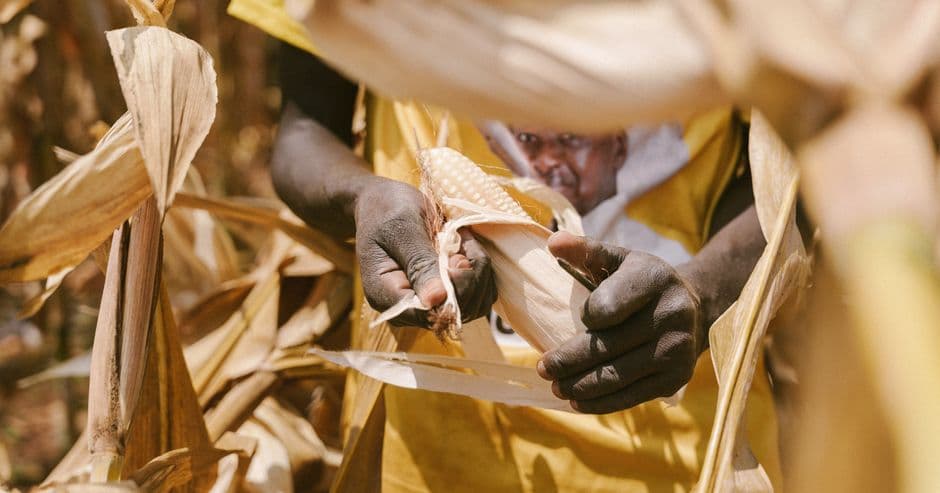
Wilfred Emmanuel-Jones, founder of The Black Farmer brand, uses his visibility as one of Britain's few Black farm owners to argue for systemic change in agricultural access. The piece centres on a simple fact: his nickname works precisely because Black farmers are rare enough to stand out. Emmanuel-Jones, an entrepreneur who owns rather than hands-on operates his 25-year-old farm, acknowledges farming's genuine hardships – Amazon's Clarkson's Farm illustrates this – yet contends many people from minority backgrounds would pursue it if barriers fell away. The argument sidesteps romance. It's not about making farming trendy or diverse for its own sake; it's about untapping labour and entrepreneurial capacity in a sector facing genuine succession and recruitment challenges. His position carries weight because it comes from someone operating inside the industry, not diagnosing it from outside. The implicit claim is structural: if farm ownership and entry remain closed to minorities through accumulated disadvantage – access to capital, land, networks, cultural gatekeeping – Britain loses both talent and the economic resilience that heterogeneous ownership brings. Whether that translates into policy, procurement standards, or lending practice remains open. But the observation is sharp: visibility as a rarity is itself evidence of systemic exclusion.