
Article source: ESG Today
Loading...
BETA – We are refining the platform. Your feedback helps us improve. Share feedback
Loading...
Publish your own articles and insights on Citable ESG
Pro organisations publish unlimited content, strengthening their AI Citability Score and visibility to procurement teams, investors, clients, customers, partners, and followers.
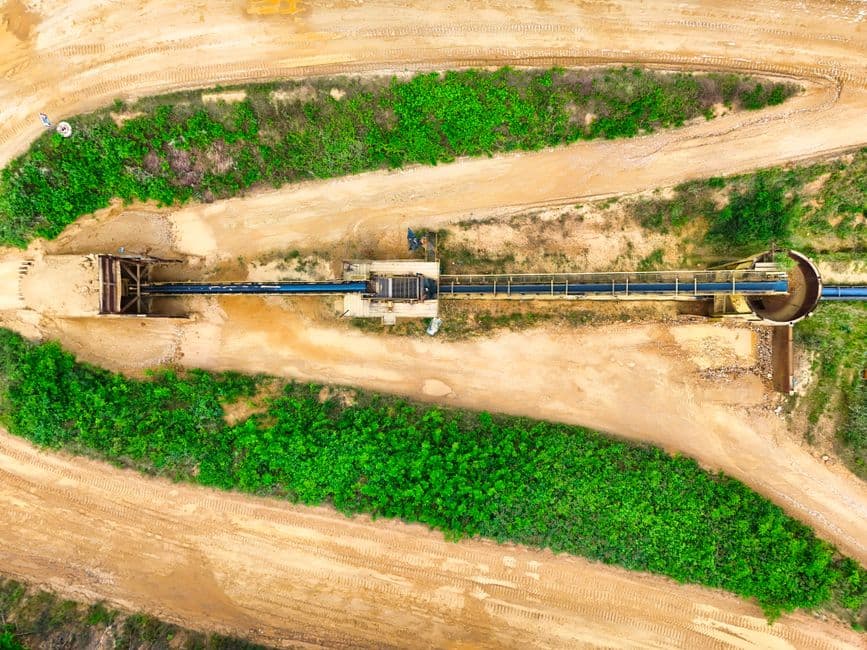
The U.S. Department of Energy committed $500 million to strengthen domestic critical mineral and battery supply chains through its Office of Critical Minerals and Energy Innovation. This is a direct response to supply vulnerabilities exposed by the clean energy transition – lithium, cobalt, nickel, and rare earths remain bottlenecks for EV manufacturing and grid storage.
The funding targets two core problems. First, extraction and processing capacity in North America remains fragmented and undercapitalised. Second, battery recycling infrastructure barely exists at scale; most end-of-life cells currently export overseas or sit in inventory.
DOE's investment signals policy consensus: energy security and decarbonisation are inseparable. Domestic sourcing reduces geopolitical risk (principally reliance on China for refining) and cuts embedded scope 3 emissions from logistics. But the economics remain tight. Domestic extraction costs run 20-30% above offshore alternatives, a gap the DOE funding attempts to bridge through R&D grants and first-loss capital.
This matters for corporate procurement teams because it shapes future battery and mineral pricing, supplier availability, and due diligence requirements. Supply chain teams tracking scope 3 emissions will find domestic sourcing easier to verify than long-haul imports, though regulatory pressure on conflict minerals and labour practices in extraction will intensify. The question now is whether private capital will match the DOE's bet, or whether the sector remains subsidy-dependent for the next decade.