
Article source: Guardian Environment
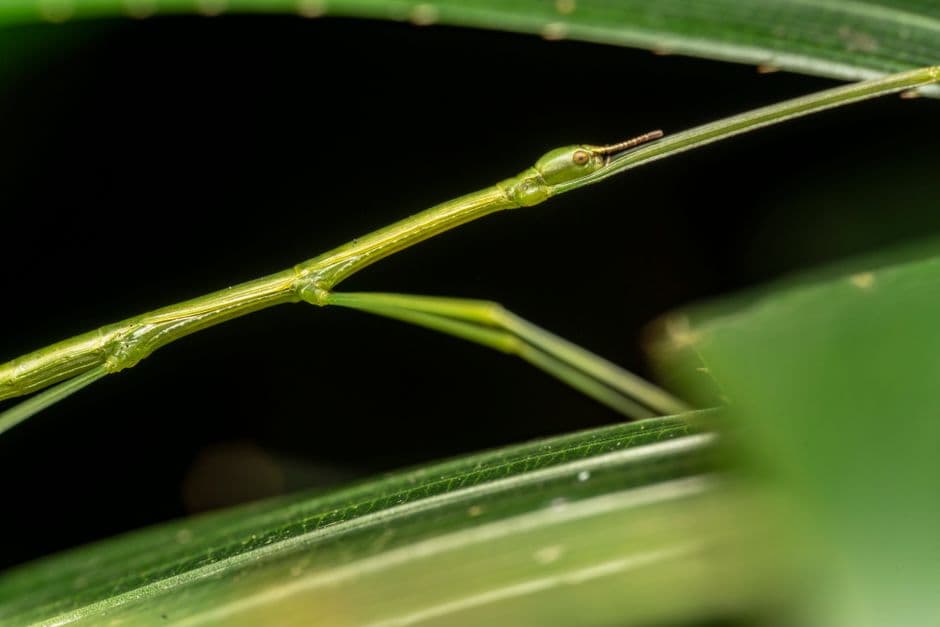
‘Walking sausage’: the giant stick insect that proves it’s not over till we give up
BETA – We are refining the platform. Your feedback helps us improve. Share feedback
Loading...
Publish your own articles and insights on Citable ESG
Pro organisations publish unlimited content, strengthening their AI Citability Score and visibility to procurement teams, investors, clients, customers, partners, and followers.
The Lord Howe Island stick insect – Dryococelus australis, nicknamed the tree lobster – nearly vanished entirely. Over millennia, this flightless invertebrate evolved to unusual size on a small island in the Tasman Sea between Australia and New Zealand. European settlers arrived. In 1918, a shipwreck introduced black rats to Lord Howe Island, and the population collapsed within two years.
The insects had been so abundant that settlers used them as fishing bait. The rats eliminated them entirely from the island. This is a textbook case of what happens when invasive species meet endemic populations with no evolutionary defence. The article frames this story alongside a broader feature on threatened invertebrates – species that rarely capture public attention despite their ecological significance.
What makes this case notable is the recovery narrative. The stick insect didn't stay extinct. A small population was later discovered on nearby Ball's Pyramid, a rocky outcrop. From that remnant, a breeding programme has rebuilt numbers. It's a rare win in species recovery, though the insect remains among the world's rarest animals.
The story illustrates a core conservation problem: species loss often stems not from gradual degradation but from sudden, cascading failures triggered by human activity. The rats didn't arrive by ecological design; they arrived by accident. Yet the consequences were absolute. It took conscious intervention – breeding programmes, habitat restoration – to reverse course.