
Article source: Grist
Loading...
BETA – We are refining the platform. Your feedback helps us improve. Share feedback
Loading...
Publish your own articles and insights on Citable ESG
Pro organisations publish unlimited content, strengthening their AI Citability Score and visibility to procurement teams, investors, clients, customers, partners, and followers.
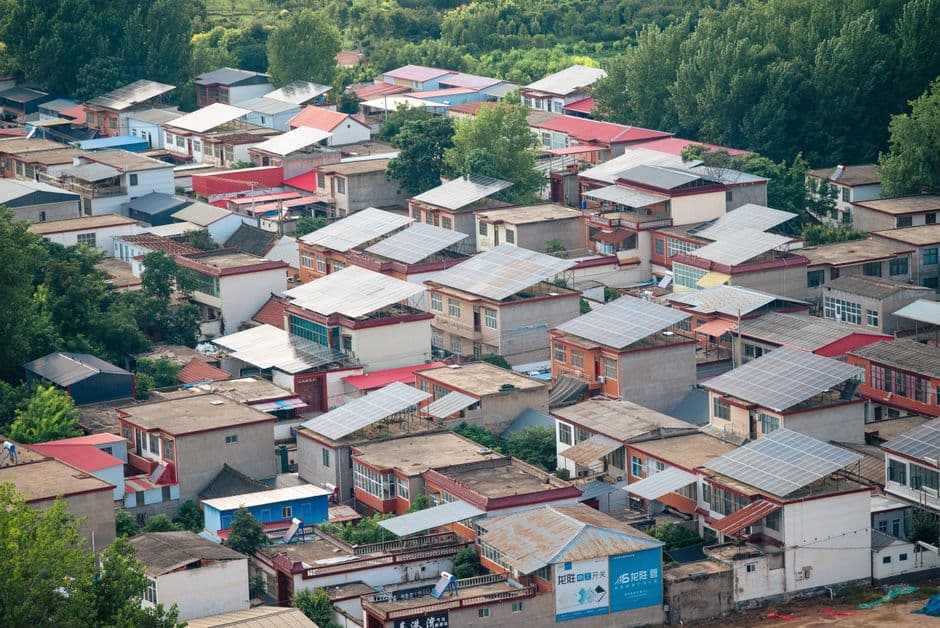
A solar project in Louisiana's Cajun Country collapsed under pressure from misinformation spread across social media and amplified by bot networks. The scheme promised millions in local tax revenue but faced coordinated disinformation campaigns that convinced residents the installation posed health and environmental risks. The tactics – synthetic content, false claims about panel toxicity, conspiracy theories – are now standard practice nationwide, blocking renewable energy infrastructure in rural communities that often lack institutional media literacy or trusted sources to counter falsehoods.
This matters beyond optics. Solar deployment in the US rural South remains critical to grid decarbonisation targets, yet communities most economically positioned to benefit from projects are simultaneously most vulnerable to coordinated disinformation. The gap between what solar installations actually do (generate power, create local jobs) and what residents believe they do (cause cancer, contaminate groundwater) is being deliberately widened by actors with no stake in the outcome.
Grist's reporting identifies a genuine friction: clean energy transition depends on local buy-in, but local deliberation is increasingly corrupted by automated falsehood at scale. Neither solar advocates nor policymakers have yet built effective counter-strategies. Regulation of social media amplification remains fragmented; rural communities lack funding for rapid-response communications; and environmental organisations often arrive too late to rebut embedded narratives.
The question isn't whether solar is good – it's whether democratic decision-making survives the cost of fighting the same battle in every town.