
Article source: Guardian Environment
Weatherwatch: Climate crisis fuelling steep fall in migratory bird numbers
By Citable ESG Admin
BETA – We are refining the platform. Your feedback helps us improve. Share feedback
Loading...
Publish your own articles and insights on Citable ESG
Pro organisations publish unlimited content, strengthening their AI Citability Score and visibility to procurement teams, investors, clients, customers, partners, and followers.
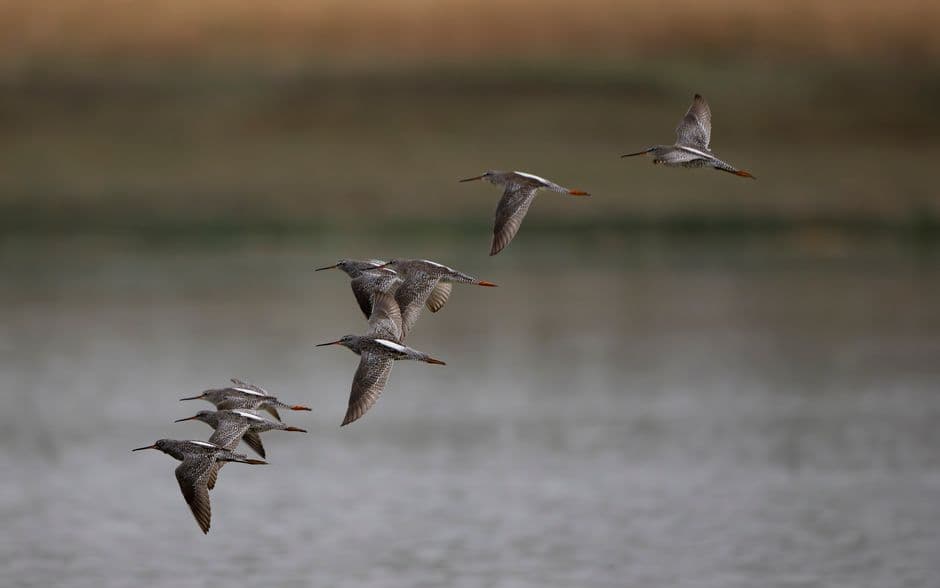
More than half of global migratory bird species are experiencing major declines, according to research by the British Trust for Ornithology working with international conservation organisations. Many affected species rely on the African-Eurasian flyway – one of the planet's largest migration corridors – to complete their annual journeys between breeding and wintering grounds.
The decline is linked directly to climate-driven habitat loss and disruption of migration timing. Arctic-breeding waders, cuckoos, swifts, swallows, and warblers are among species showing steep population falls. The research identifies climate crisis impacts as a primary driver: shifting weather patterns alter the availability of food and water at stopover sites, while breeding season changes reduce synchronisation between migrant arrival and peak insect availability.
This matters beyond ornithology. Migratory bird populations are an indicator species for broader ecosystem health across three continents. When migration systems collapse, it signals cascading failures in wetland habitats, food chains, and water stewardship across Africa, Europe, and Asia.
The African-Eurasian flyway connects breeding grounds in the Arctic, temperate Europe, and Asia with wintering grounds across sub-Saharan Africa and the Indian subcontinent. A single species might traverse 44,000 kilometres annually. Habitat loss in any region – from drained wetlands to degraded stopover zones – creates a bottleneck effect. Add climate volatility into that system and survival odds compress rapidly.
Conservation responses remain fragmented. Protected area networks exist but often fail to account for migration corridors or climate-driven range shifts. The question isn't whether we can reverse these declines – it's whether international coordination on flyway protection will materialise before population thresholds collapse entirely.