
Article source: Trellis (formerly GreenBiz)
How cruise control and book-and-claim can decarbonize US railroads
By Citable ESG Admin
BETA – We are refining the platform. Your feedback helps us improve. Share feedback
Loading...
Publish your own articles and insights on Citable ESG
Pro organisations publish unlimited content, strengthening their AI Citability Score and visibility to procurement teams, investors, clients, customers, partners, and followers.
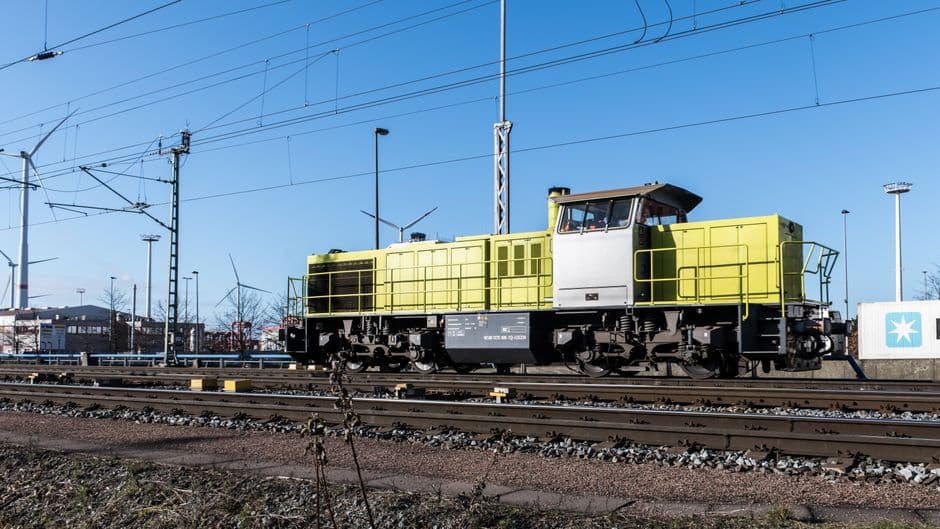
Norfolk Southern is tracking behind its Science Based Targets initiative commitment but still expects to meet its decarbonisation goal. The railway operator's confidence rests on two distinct levers: cruise control systems that optimise locomotive fuel consumption in real-time, and book-and-claim carbon accounting mechanisms that allow the company to credit renewable energy purchased elsewhere on its grid.
Cruise control on freight locomotives works differently from passenger vehicles – it monitors track gradient, speed, and load to adjust throttle automatically, reducing fuel waste during acceleration and deceleration phases. Norfolk Southern says this alone cuts energy consumption measurably. The book-and-claim model, by contrast, lets the carrier purchase renewable electricity certificates without physically connecting generation to its operations, a practice gaining traction across hard-to-decarbonise sectors.
The tension here is real. Cruise control addresses Scope 1 emissions directly – the direct combustion in locomotives. Book-and-claim, however, sits at the boundary between Scope 2 (purchased electricity) and Scope 3 (value chain) accounting, and relies on certificate markets that environmental advocates argue can obscure rather than guarantee actual emissions reductions.
US rail freight faces structural barriers: diesel dominates because electrification requires infrastructure investment neither carriers nor government have fully committed to. Norfolk Southern's approach prioritises efficiency gains within existing systems rather than system-level shifts. The question is whether operational optimisation can bridge the gap to SBTi compliance, or whether it masks a dependency on carbon accounting flexibility that won't hold under tightening verification standards.