
Why Britain is breathing the world’s wildfire smoke
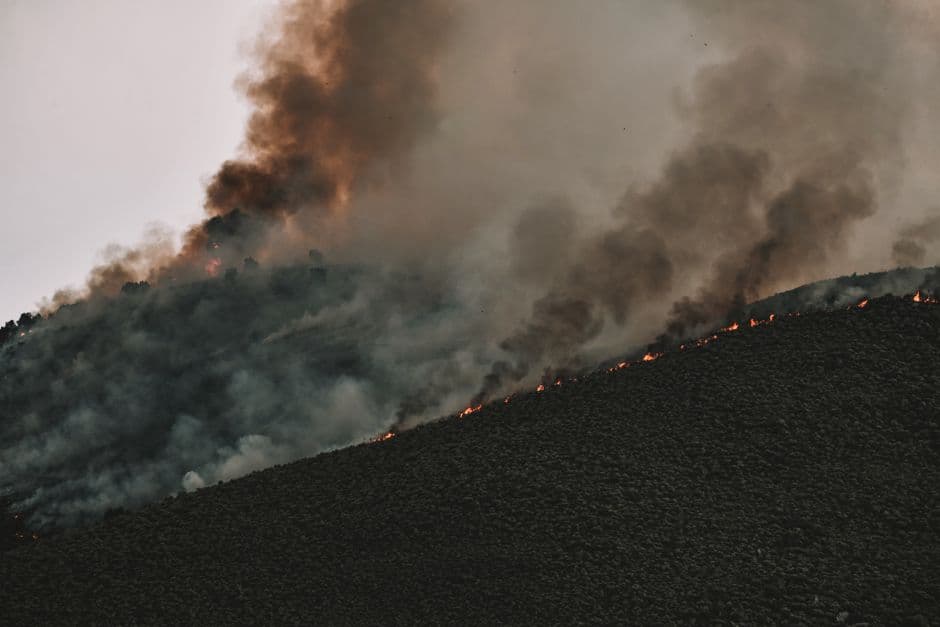
Wildfires across southern Europe are exporting their smoke pollution to the UK, with scientists attributing roughly 10% of British particle pollution to global blazes. Dr Mark Parrington at the Copernicus Atmosphere Monitoring Service has documented how recent fires in south-western Europe degraded air quality across southern France and central Spain – and the transboundary pollution problem is spreading northward.
This isn't a seasonal anomaly. The pattern reflects a structural climate shift: hotter summers mean larger fires, which mean more smoke transported across borders. UK air quality regulators will struggle to meet their own targets if they treat this as an external variable rather than an embedded risk.
The implications are material for every organisation operating in Europe with air quality commitments, scope 3 emissions accounting, or health-and-safety obligations tied to particulate matter. A logistics company routing vehicles through affected regions, a renewable energy operator measuring downtime from reduced solar output, a retailer tracking employee absences due to respiratory effects – all face indirect climate costs that conventional ESG frameworks rarely surface.
Climate adaptation planning in the UK has historically focused on flooding and overheating. Transboundary air pollution from intensifying wildfire seasons sits in a blind spot between climate strategy and supply chain risk management. The question isn't whether this will worsen – the trajectory is visible. The question is whether organisations will wait for regulatory response or begin treating cross-border smoke events as a foreseeable operational scenario.