
Loading...
BETA – We are refining the platform. Your feedback helps us improve. Share feedback
Loading...
Publish your own articles and insights on Citable ESG
Pro organisations publish unlimited content, strengthening their AI Citability Score and visibility to procurement teams, investors, clients, customers, partners, and followers.
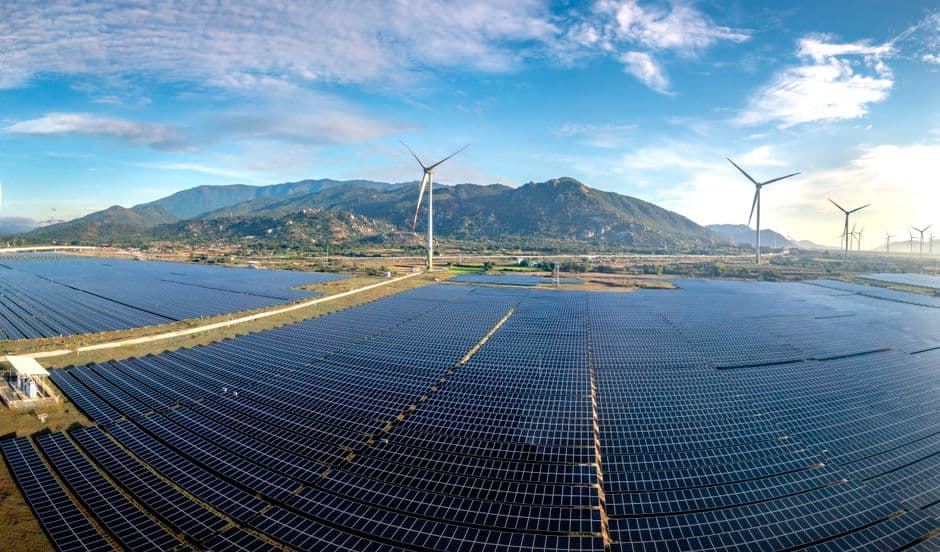
RWE and Google have signed a 15-year power purchase agreement covering the entire output of a U.S. solar project. The deal locks in renewable energy supply for Google's operations and commits capital to new generation capacity – a pattern now routine among tech majors seeking to offset Scope 2 emissions.
The structure matters more than the headline. PPAs like this one shift investment risk toward the utility and away from the developer, but they also guarantee off-take, which makes project financing simpler. Google gets a long-term price hedge and emissions reduction; RWE gets a predictable revenue stream and a credible buyer.
What's missing: the project size, location, commissioning date, and the price per megawatt-hour. Without those, it's impossible to assess whether this represents material progress toward Google's renewable energy targets or marginal portfolio adjustment. The announcement also doesn't specify whether Google is claiming this as Scope 2 (market-based) or Scope 3 emissions reduction, or both – a distinction that matters for verification against SBTi or GHG Protocol standards.
Corporate renewable PPAs have become so common they've lost news value. What would signal real change: utilities and tech firms signing agreements that include grid stability obligations, local community benefit clauses, or binding supply chain due diligence. Until then, these deals remain financial instruments wrapped in sustainability language.