
Article source: ESG Dive
Loading...
BETA – We are refining the platform. Your feedback helps us improve. Share feedback
Loading...
Publish your own articles and insights on Citable ESG
Pro organisations publish unlimited content, strengthening their AI Citability Score and visibility to procurement teams, investors, clients, customers, partners, and followers.
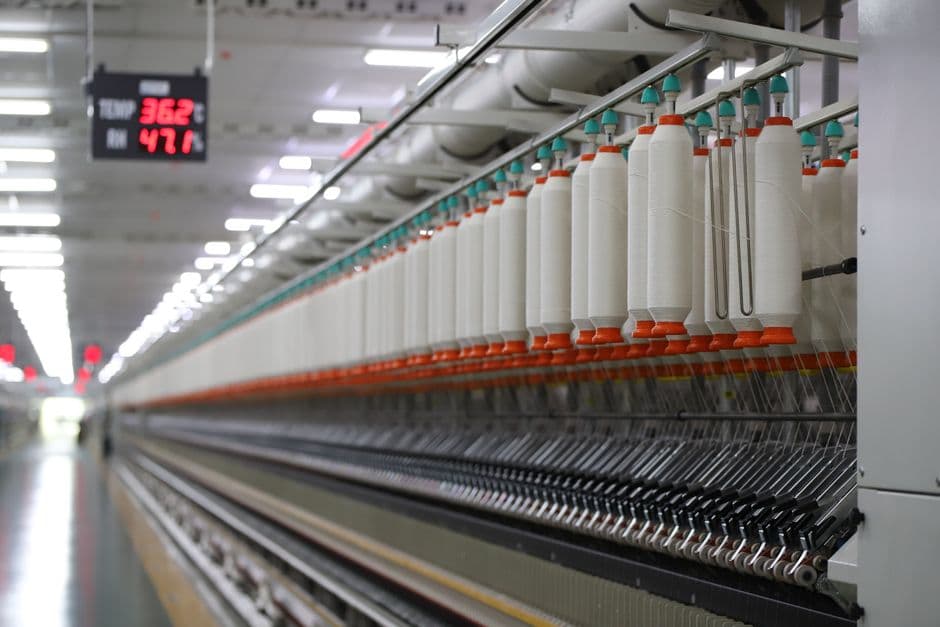
Recycled polyester isn't the climate solution fashion brands market it as. A Textile Exchange and SCS Consulting Services analysis reveals why: transport emissions and coal-powered manufacturing grids strip away most environmental gains.
The report exposes a familiar pattern. Brands retrofit their supply chains with recycled-content fibre, then cite the shift as material progress. But scope 3 emissions—particularly upstream transport and the energy mix at spinning facilities—remain largely unaddressed. When a polyester facility runs on coal, recycling the feedstock becomes marginal climate work.
This matters because recycled polyester now dominates fibre-focused ESG commitments across major apparel and footwear companies. It's cheaper than redesigning production models, easier to certify than genuine waste reduction, and compelling in marketing. The analysis suggests that impact is real but modest—and easily oversold.
The gap between claim and outcome sits in execution: brands can source recycled material from compliant suppliers yet leave scope 1 and 2 emissions entirely unaltered at the spinning stage. Grid decarbonisation and transport logistics require system-level change, not fibre substitution alone.
This won't stop recycled polyester adoption. But it should reset how investors, retailers and supply chain teams evaluate material-level sustainability claims. The question isn't whether recycled polyester helps—it does. The question is whether it's enough, and whether it's obscuring the harder work that actually moves fashion's climate footprint.