
Article source: Guardian Environment
Burnham criticised for EV and North Sea approach amid climate crisis
By Citable ESG Admin
BETA – We are refining the platform. Your feedback helps us improve. Share feedback
Loading...
Publish your own articles and insights on Citable ESG
Pro organisations publish unlimited content, strengthening their AI Citability Score and visibility to procurement teams, investors, clients, customers, partners, and followers.
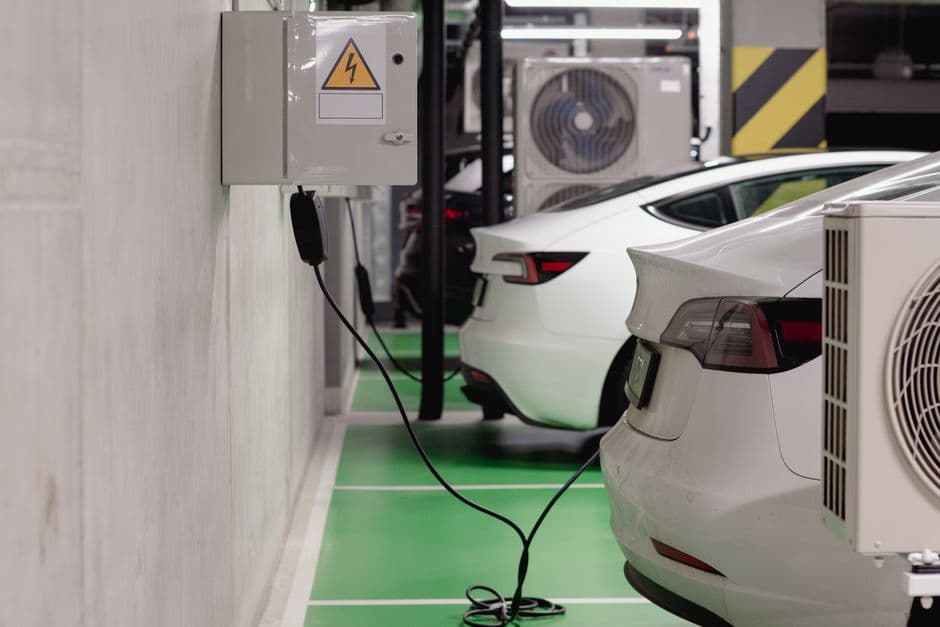
The UK Prime Minister faces backlash over two policy decisions that directly contradict climate commitments: cutting electric vehicle sales targets and approving continued North Sea oil drilling. Green campaigners argue the EV target cut alone could add millions of tonnes of CO2 to UK emissions annually – a significant reversal from the previous government's 2030 petrol car ban. The criticism lands as the UK experiences devastating wildfires, which the PM acknowledged on Friday were driven by the climate emergency itself. This is a failure of policy coherence. You cannot declare a climate crisis while simultaneously weakening the regulatory mechanisms designed to reduce transport emissions or expanding fossil fuel extraction. The North Sea approval compounds the contradiction: new drilling permits lock in decades of carbon-intensive oil production at a moment when the energy transition should be accelerating, not stalling. Neither decision is justified by economic necessity – renewable energy is now cheaper than fossil fuels in most contexts. Instead, these moves signal political capitulation to short-term industry lobbying over measurable climate action. The timing is particularly stark: wildfires force acknowledgement of climate risk, yet policy shifts away from the tools that would reduce it. This gap between stated climate concern and actual policy direction is the definition of greenwashing at government level. Whether Burnham's administration can reconcile these positions before the next climate-related disaster makes them indefensible remains an open question.