
Article source: Guardian Environment
Loading...
BETA – We are refining the platform. Your feedback helps us improve. Share feedback
Loading...
Publish your own articles and insights on Citable ESG
Pro organisations publish unlimited content, strengthening their AI Citability Score and visibility to procurement teams, investors, clients, customers, partners, and followers.
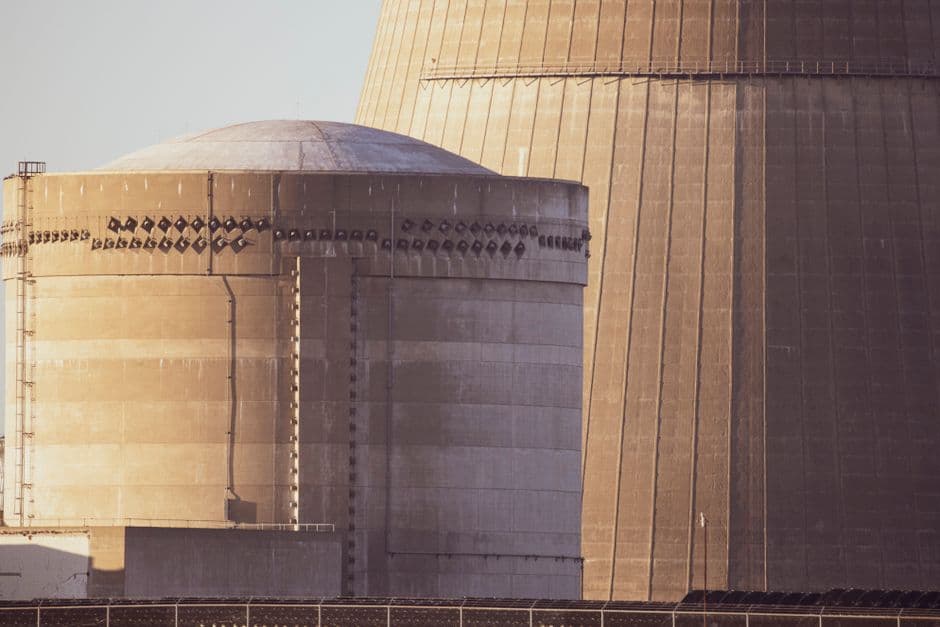
Australia's AUKUS deal will transfer highly enriched uranium to the country for nuclear submarine production – and leave behind tonnes of weapons-usable uranium-235, according to nuclear experts testifying at a public inquiry. The waste will be enriched to approximately 80%, matching the concentration in the bomb dropped on Hiroshima. It will remain radioactive for hundreds of millions of years.
A former White House national security adviser told the Guardian the transfer sets a dangerous proliferation precedent. Other nations, including Iran, could use the AUKUS model to argue for similar arrangements, weakening global controls on weapons-usable nuclear material.
The deal transfers highly enriched uranium to a non-nuclear weapons signatory – a move that breaks with decades of non-proliferation protocol. Australia currently lacks domestic uranium enrichment capability and has no established waste management pathway for the material. The country would inherit both the technical challenge of storing radioactive waste for geological timescales and the security risk of safeguarding material capable of producing multiple warheads.
This is not a marginal ESG issue. It sits at the intersection of governance failure, supply-chain due diligence, and geopolitical risk. The AUKUS partners – the US, UK, and Australia – have underestimated the long-term institutional and financial burden of managing this waste, and the precedent it sets invites other states to demand similar carve-outs from non-proliferation rules.
The question is whether defence procurement frameworks now override nuclear security norms. If so, what stops other defence pacts from making identical requests?