
Article source: Carbon Brief
Access to finance ‘strengthens climate resilience’ among sub-Saharan women
By Citable ESG Admin
BETA – We are refining the platform. Your feedback helps us improve. Share feedback
Loading...
Publish your own articles and insights on Citable ESG
Pro organisations publish unlimited content, strengthening their AI Citability Score and visibility to procurement teams, investors, clients, customers, partners, and followers.
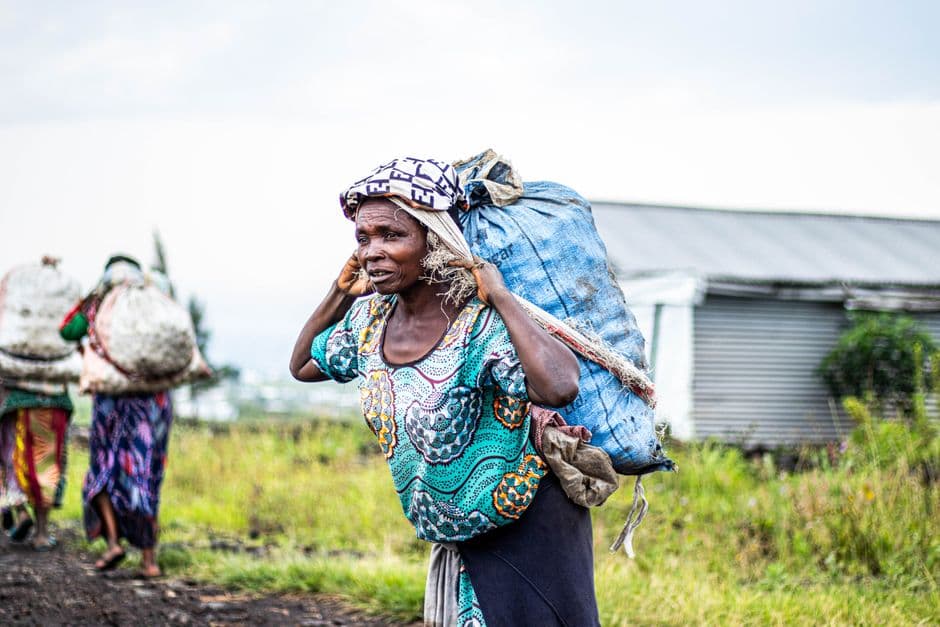
A new study finds that financial access for women in sub-Saharan Africa improves household resilience to climate shocks. The research suggests a direct link between women's economic empowerment and adaptive capacity – a connection often treated as aspirational rather than evidenced.
Climate vulnerability in sub-Saharan Africa is real and concentrated. Smallholder farming households, where women often control limited resources, face crop failure, livestock loss, and water scarcity as temperatures shift and rainfall becomes irregular. Without cash reserves or credit access, recovery from a single climate event can take years.
Why does access to finance matter here? Women who control financial resources can invest in climate-adapted seeds, build water storage, diversify income sources, or relocate assets before a drought. They make faster recovery decisions. They negotiate better terms with buyers after crisis. The study appears to quantify this mechanism rather than assert it.
But the research also raises a friction point. Financial inclusion alone is insufficient – it requires simultaneous access to climate information, agricultural extension services, and market channels. A woman with a loan but no knowledge of drought-resistant varieties faces different constraints than one with both.
The broader question: are development funders and climate finance institutions treating financial inclusion as a climate adaptation tool, or as social impact theatre? If the former, you'd expect dedicated climate finance to flow explicitly to women-centred lending programmes. What does the actual allocation look like?