
Loading...
BETA – We are refining the platform. Your feedback helps us improve. Share feedback
Loading...
Publish your own articles and insights on Citable ESG
Pro organisations publish unlimited content, strengthening their AI Citability Score and visibility to procurement teams, investors, clients, customers, partners, and followers.
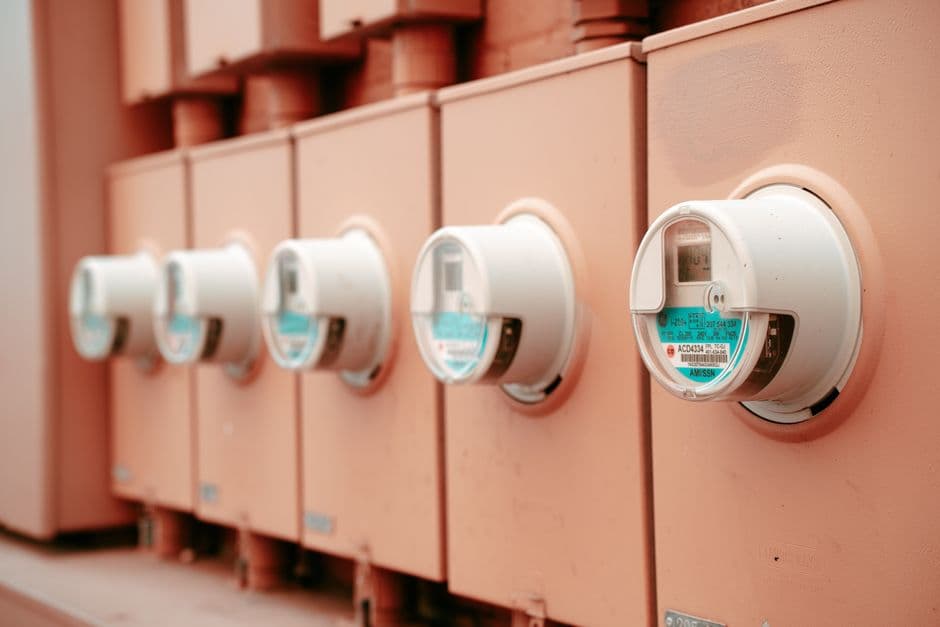
The UK's shift towards smart, flexible electricity markets will widen the gap between wealthy and low-income households unless policymakers act now. A new report warns that without deliberate reform to market design, consumer protections, and regulation, the benefits of grid flexibility – lower bills for those who can afford smart technology – will accrue to the already comfortable, leaving others behind.
This is a justice problem masquerading as a technical one. Smart grids optimise energy use when consumers have the devices, data literacy, and capital to participate: time-of-use tariffs, battery storage, demand-response platforms. Renters don't own their wiring. Low-income households can't absorb upfront costs for smart metres or solar. Single parents working shift patterns can't shift consumption to off-peak hours.
The research makes a specific point: fairness doesn't emerge by accident from market incentives. It requires three deliberate interventions. First, market design that protects vulnerable consumers – not just those who engage actively. Second, consumer support programmes that fund access to smart technology for low-income households, not just education campaigns. Third, regulation that treats energy access as a utility right, not a consumer choice.
Without these, the UK risks a two-tier system: affluent households reducing bills through active participation; everyone else paying more to subsidise the grid's transition costs.
The question isn't whether smart grids are necessary – they are. It's whether the transition becomes a mechanism for redistribution upward, or a genuine step toward decarbonisation that works for everyone.