
Article source: Guardian Environment
Loading...
BETA – We are refining the platform. Your feedback helps us improve. Share feedback
Loading...
Publish your own articles and insights on Citable ESG
Pro organisations publish unlimited content, strengthening their AI Citability Score and visibility to procurement teams, investors, clients, customers, partners, and followers.
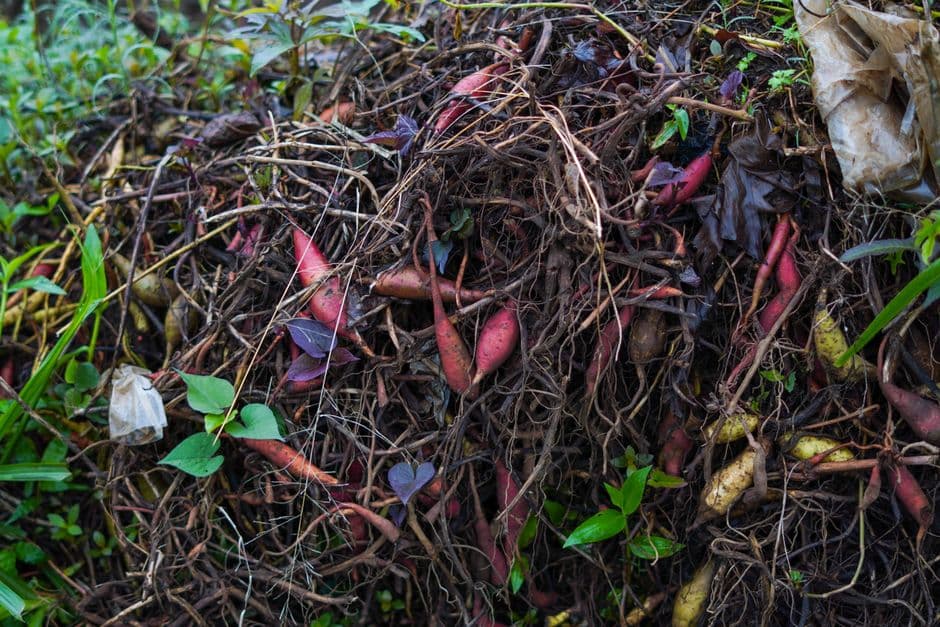
Microplastics persist in compost and leach into agricultural soils, yet plastic contamination remains sidelined in food waste policy discussions. Researchers flagged the gap: food waste reduction is rare climate territory where stakeholder interests align, yet the sector's blindspot on plastics undermines both waste strategy and soil health.
The problem runs deeper than awareness. Food waste schemes often concentrate on volume diversion – getting organic matter into anaerobic digesters or composting facilities – without tracking what else travels through those systems. Packaging fragments, microbeads from consumer products, and degraded plastics mixed into food scraps end up in finished compost, which local authorities and farmers then distribute back to land.
This matters for two reasons. First, soil microplastic accumulation is largely unmonitored; we lack baseline data on contamination rates across regions, making it impossible to set meaningful remediation targets. Second, compost quality standards vary sharply. EU countries operate under different specifications; the UK's PAS 100 includes plastic limits, but enforcement is patchy and thresholds remain loose.
The framing as a climate "win" obscures the circularity trap: contaminated compost doesn't close the loop, it relocates the problem. Soil becomes a long-term sink for persistent polymers, potentially affecting crop uptake pathways and groundwater.
What's missing is mandatory pre-processing standards and post-compost testing protocols. Until food waste infrastructure treats plastic contamination as a core design constraint – not an afterthought – the sector risks greenwashing waste diversion as environmental progress.