
Loading...
BETA – We are refining the platform. Your feedback helps us improve. Share feedback
Loading...
Publish your own articles and insights on Citable ESG
Pro organisations publish unlimited content, strengthening their AI Citability Score and visibility to procurement teams, investors, clients, customers, partners, and followers.
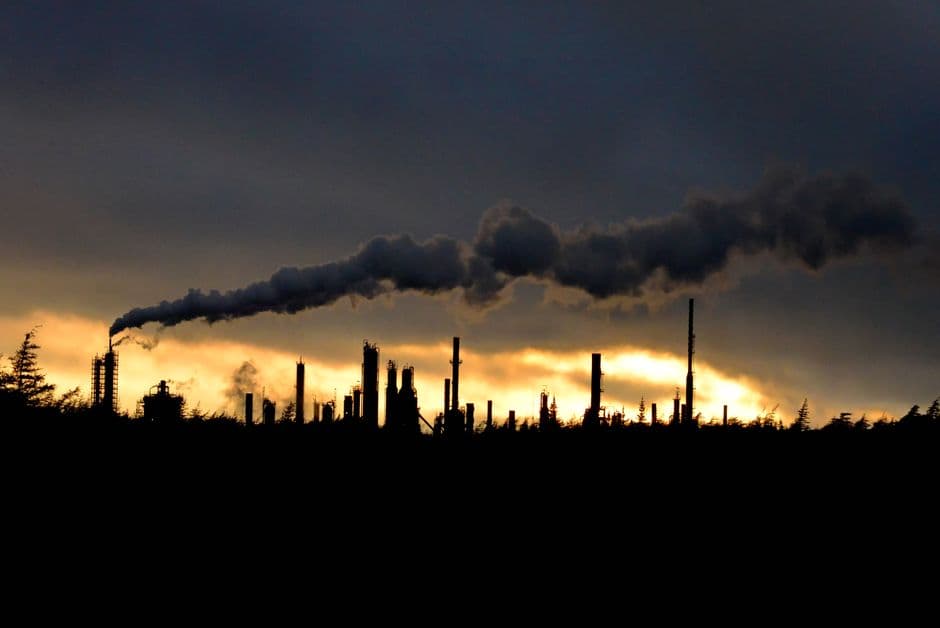
The oil industry is confronting accelerating climate litigation. A wrongful death lawsuit marks a shift from property damage claims – the first to directly link fossil fuel operations to human fatality. Multiple older cases are moving toward trial after years of legal manoeuvring, and companies can no longer rely on procedural delays to stall accountability.
This matters because litigation risk now sits alongside regulatory pressure as a material threat to business models. Courts are testing arguments that previously failed: corporate knowledge of climate impacts, failure to disclose risks to investors, and direct causation between emissions and specific harms. Oil companies have spent decades funding climate science denial; the evidence that informed internal strategy now surfaces in discovery.
The wrongful death suit represents a doctrinal pivot. Establishing causation between an industry's actions and an individual death is legally harder than proving property damage, but it reframes the conversation from economic loss to human toll. If courts accept this framing, it opens pathways for mass tort claims similar to tobacco litigation – the scenario oil executives genuinely fear.
What remains unresolved: whether existing common law (nuisance, negligence, fraud) can sustain verdicts at scale, or whether climate litigation needs statutory foundation. Some jurisdictions are moving faster than others. The U.S. remains fragmented; Europe has different legal architecture. And the question of damages – how to monetise decades of harm across populations – remains genuinely complex.
If even one major verdict sticks on appeal, investor exposure changes overnight.