
Article source: Guardian Environment
Brazil’s vast iron mine that supplies the world and fractures the Amazon – in pictures
By Citable ESG Admin
BETA – We are refining the platform. Your feedback helps us improve. Share feedback
Loading...
Publish your own articles and insights on Citable ESG
Pro organisations publish unlimited content, strengthening their AI Citability Score and visibility to procurement teams, investors, clients, customers, partners, and followers.
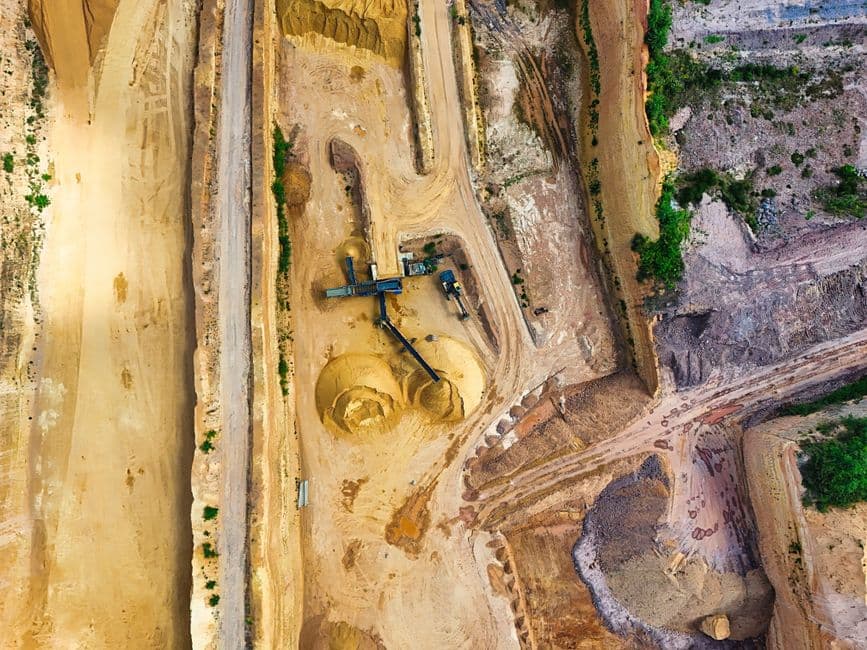
Brazil's Grand Carajás iron mining complex supplies global markets while leaving communities in its shadow to manage pollution, displacement, and erased histories. The operation has positioned Brazil as a mining superpower – the mine produced over 100 million tonnes of iron ore in 2022 alone – but the extraction comes at a cost borne by local populations, not shareholders.
The project spans across the Amazon region and represents a familiar tension: resource extraction that funds national GDP growth while concentrating environmental and social harms on the people nearest the pit. Communities report air and water pollution linked to mining operations. Displacement of indigenous and traditional populations has occurred with limited documentation of their prior claims or compensation frameworks.
This is not a story about corporate greenwashing – there's little pretence here. It's a story about the visibility gap: global supply chains obscure the on-ground reality. Buyers of iron ore from Carajás rarely encounter the photographs or testimonies of those living downwind or downstream.
For procurement teams and supply chain leads, this raises a direct question: how thoroughly do you map social and environmental externalities in your raw material sourcing? Due diligence on mining operations requires site visits, community interviews, and willingness to hear answers that complicate cost calculations. The mine will keep operating. The question is whether the companies using its output will ever truly see what they're buying.