
Article source: Guardian Environment
Loading...
BETA – We are refining the platform. Your feedback helps us improve. Share feedback
Loading...
Publish your own articles and insights on Citable ESG
Pro organisations publish unlimited content, strengthening their AI Citability Score and visibility to procurement teams, investors, clients, customers, partners, and followers.
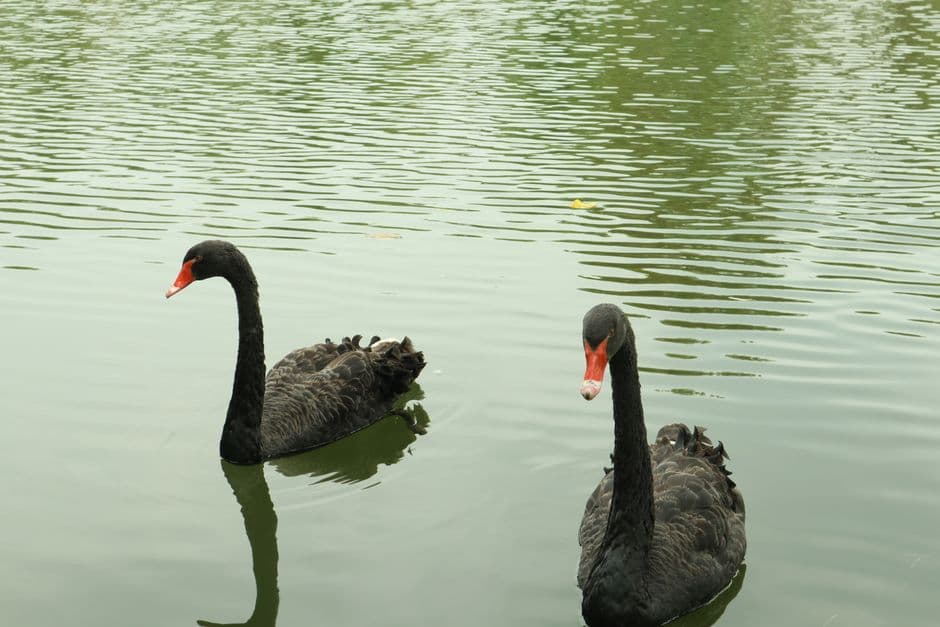
Western Australia's black swan – the state emblem – is emerging as a sentinel species for H5N1 bird flu spread across the region. University of Queensland virologist Kirsty Short identifies the birds as a reliable early-warning indicator: once infected, they have low survival rates, making population crashes a visible marker of viral establishment in the wild.
The concern isn't symbolic politics. Black swan populations are highly visible and concentrated in accessible waterways, which means die-offs will be immediately detectable by residents and environmental monitors. That visibility cuts both ways: it offers early detection, but it also means public communication around mass mortality events will be unavoidable.
H5N1 has already demonstrated its capacity to devastate seabird colonies globally – recent outbreaks have killed tens of thousands of wild birds in Europe and North America. Experts warn of "significant mortality" if the virus reaches Australian populations with no prior exposure or immunity.
This sits awkwardly at the intersection of biodiversity loss, zoonotic disease risk, and climate vulnerability. Warmer water temperatures and altered migration patterns are expanding the geographic range where H5N1 can establish. Indigenous and local communities reliant on waterway ecosystems face compounded disruption.
The real question isn't whether bird flu reaches Western Australia – modelling suggests it's when, not if – but whether state and federal authorities have coordinated surveillance, culling protocols, and public health messaging ready. Reactive crisis management on an iconic species will damage trust.