
Article source: Guardian Environment
Loading...
BETA – We are refining the platform. Your feedback helps us improve. Share feedback
Loading...
Publish your own articles and insights on Citable ESG
Pro organisations publish unlimited content, strengthening their AI Citability Score and visibility to procurement teams, investors, clients, customers, partners, and followers.
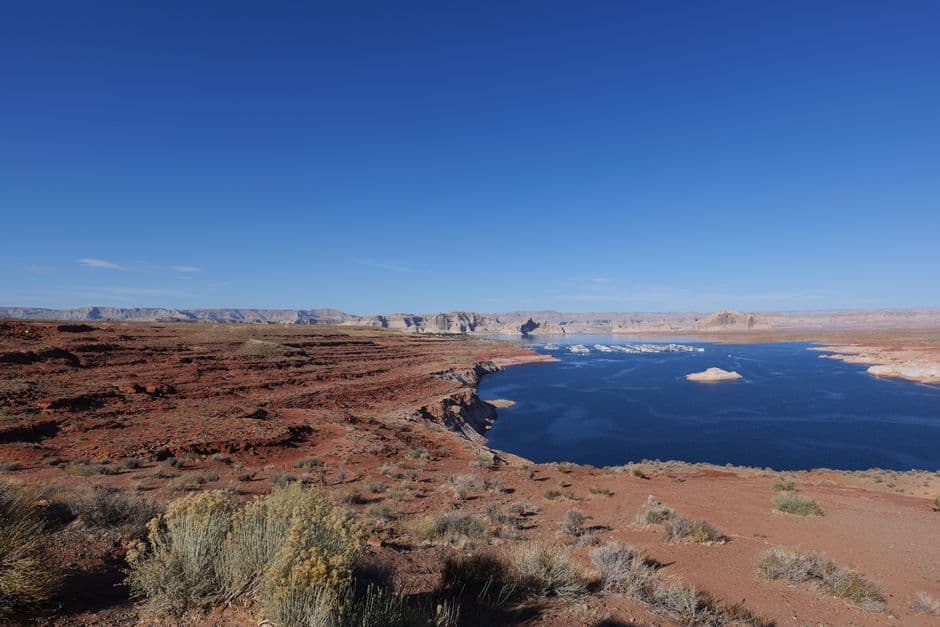
The US Bureau of Reclamation published a 10-year blueprint for Colorado River governance after years of stalled negotiation. The plan mandates water cuts of up to 40% for California, Arizona, and Nevada – a significant reallocation reflecting decades of overallocation and intensifying drought driven by climate change and population growth.
But experts are sceptical. The cuts address symptoms, not root causes: unsustainable agricultural demand, urban sprawl, and the river's fundamental oversubscription. One critical gap: the plan offers no mechanism to enforce long-term behaviour change across states, industries, or users. Arizona agriculture alone consumes 80% of the state's Colorado River allocation; voluntary conservation targets have repeatedly failed.
The framework expires in October. Without buy-in from all three states and Mexico (which holds treaty rights to 1.5 million acre-feet annually), the plan collapses. Nevada and Arizona have already signalled resistance to deeper cuts. California, facing its own water crisis, has limited room to absorb additional reductions.
Climate projections suggest the river's annual flow could decline by a further 10–30% by 2050. A 10-year plan that doesn't address that trajectory is essentially a holding pattern. The real test isn't whether states accept this proposal – it's whether they're willing to restructure water rights, price water to reflect scarcity, or fundamentally reduce demand. None of those conversations appear to be happening.