
Article source: ESG Today
CIP Raises $3 Billion for Growth Markets-Focused Clean Energy Infrastructure Fund
By Citable ESG Admin
BETA – We are refining the platform. Your feedback helps us improve. Share feedback
Loading...
Publish your own articles and insights on Citable ESG
Pro organisations publish unlimited content, strengthening their AI Citability Score and visibility to procurement teams, investors, clients, customers, partners, and followers.
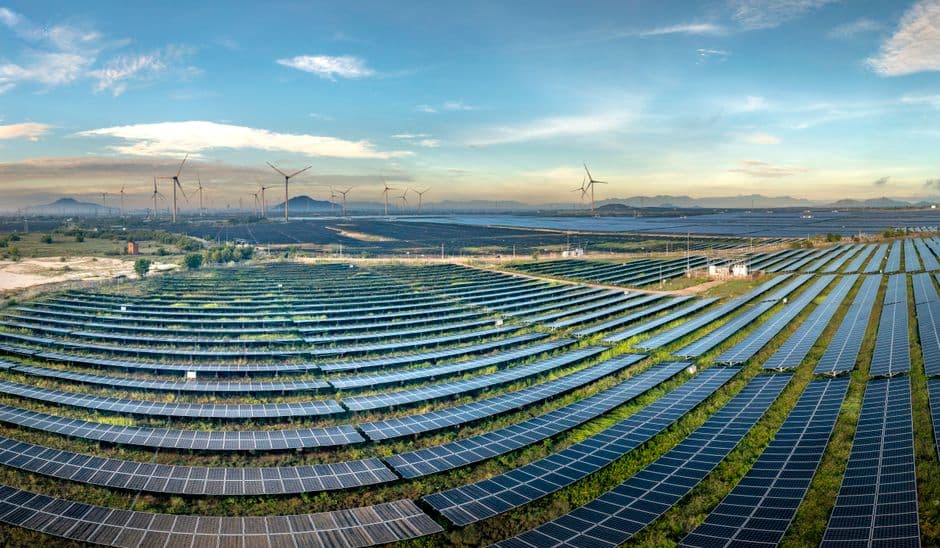
Copenhagen Infrastructure Partners closed a $3 billion fund dedicated to clean energy infrastructure in growth markets. The fund size signals continued investor appetite for renewable energy across emerging economies, though the announcement lacks specifics on deployment geography, target technologies, or expected returns.
CIP manages energy infrastructure assets across wind, solar, and grid modernisation. A $3 billion raise is material, but the ESG relevance hinges on execution: which growth markets, what emissions reduction pathway, how the fund measures impact against its deployment commitments.
The growth markets angle matters. Capital flows to renewables in developed markets are now routine; emerging economies face genuine infrastructure gaps and higher financing costs. If CIP deploys capital in regions with weak grid stability or high energy poverty, the impact case strengthens. If it chases returns in marginally underdeveloped markets with existing renewable capacity, the differentiation weakens.
No mention of verification standards, additionality criteria, or third-party impact measurement. For a $3 billion fund marketed to sustainability-focused LPs, that's a gap. Investors should ask whether CIP reports against GRI, TCFD, or impact standards like IRIS+. The fund announcement reads as capital-raising news, not ESG disclosure.
The real question: does CIP's deployment track record show this capital reaches countries genuinely underserved by renewable finance, or does it follow the money to countries where risk-adjusted returns already attract mainstream infrastructure investors?