
Article source: Carbon Brief
Loading...
BETA – We are refining the platform. Your feedback helps us improve. Share feedback
Loading...
Publish your own articles and insights on Citable ESG
Pro organisations publish unlimited content, strengthening their AI Citability Score and visibility to procurement teams, investors, clients, customers, partners, and followers.
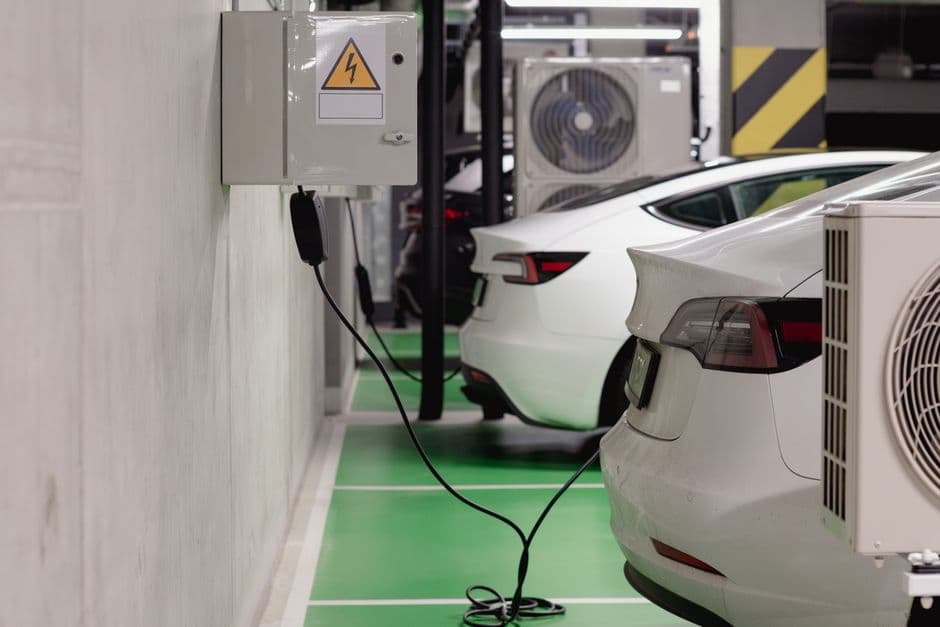
China's new-energy vehicle (NEV) market hit 67% of total car sales in September – a record high that reshapes the global automotive landscape. This isn't incremental progress; it's a structural shift in the world's largest car market.
The milestone matters because scale drives cost. When two-thirds of a 30-million-vehicle annual market runs on batteries, supply chains consolidate, manufacturing improves, and unit prices fall. That cascade effect ripples outward – it pressures legacy automakers globally and forces reallocation of capital away from internal combustion engine development.
But the headline obscures complexity. NEV sales in China include plug-in hybrids alongside pure battery electric vehicles, which means the actual zero-tailpipe-emissions share is lower than 67%. The carbon footprint of Chinese electricity generation – still 60% coal-dependent – matters for real emissions accounting. Scope 3 emissions from the grid weren't displaced; they shifted.
What the data does reveal is velocity. Chinese manufacturers now dominate battery production, supply-chain cost control, and charging infrastructure. Tesla's China market share has compressed as BYD, NIO, and others captured the momentum. European and North American OEMs are responding with accelerated EV investment, but they're playing catch-up on manufacturing cost and speed.
For boards evaluating supply-chain exposure or capital allocation: this chart is a warning and an opportunity. Chinese EV dominance will shape parts procurement, labour dynamics, and asset values in mobility for the next decade. The question isn't whether the transition accelerates – it's whether your organisation is positioned as a participant or a casualty.