
Loading...
BETA – We are refining the platform. Your feedback helps us improve. Share feedback
Loading...
Publish your own articles and insights on Citable ESG
Pro organisations publish unlimited content, strengthening their AI Citability Score and visibility to procurement teams, investors, clients, customers, partners, and followers.
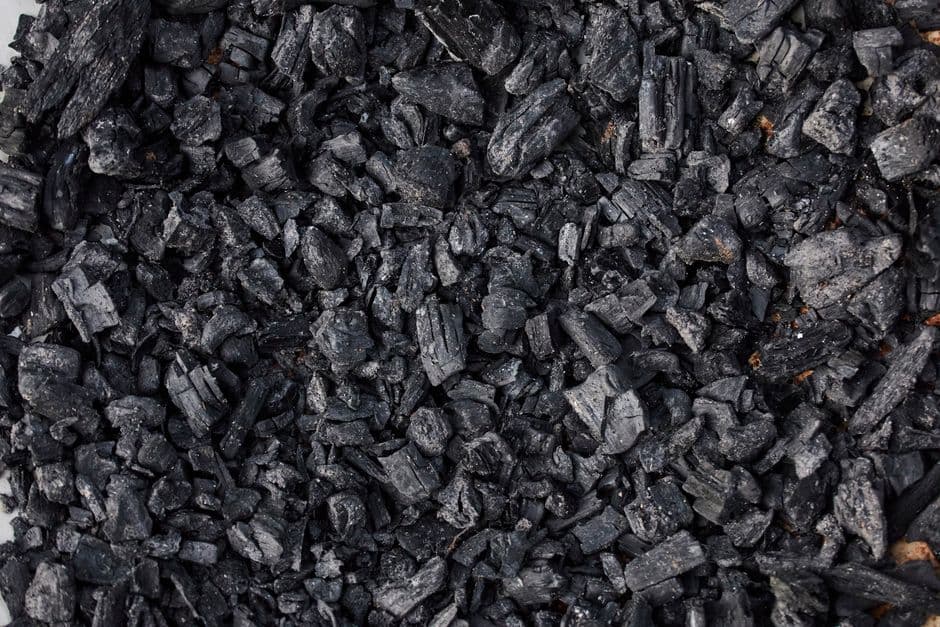
Citibank has structured a $72M bond tied directly to issued and delivered carbon removals from Applied Carbon's biochar project in Texas. The mechanics are unusual: investors forgo traditional coupon payments in favour of returns linked to verified carbon removal outcomes.
This matters because most carbon-linked finance still relies on forward-looking claims or intentions. A bond that pays based on carbon actually removed – not promised – represents a tighter link between finance and delivery. Applied Carbon operates a biochar facility that converts biomass into a stable carbon form, which the company then sells into carbon markets.
The structure does expose a real tension in carbon finance. Biochar projects sit at the margin of carbon accounting: the science is sound, but permanence timelines, additionality, and leakage assumptions vary by standard and verifier. Buyers (in this case, Citi's investor base) are betting that Applied Carbon's removals will hold up under audit. If they don't – if volumes fall short or permanence claims weaken – bond returns collapse.
Citi's framing as "first-of-its-kind" is marketing, but the underlying structure is worth watching. If this model scales, it could force carbon project developers to de-risk their claims earlier in the cycle, rather than banking on future verification. It also means investors absorb more execution risk upfront, which should theoretically drive harder due diligence on project viability.
The real test: does this bond get refinanced, or do others copy it? One deal doesn't prove the model works at scale.