
Article source: ESG Dive
Ikea accused of harmful wood sourcing in Europe’s forests
By Citable ESG Admin
BETA – We are refining the platform. Your feedback helps us improve. Share feedback
Loading...
Publish your own articles and insights on Citable ESG
Pro organisations publish unlimited content, strengthening their AI Citability Score and visibility to procurement teams, investors, clients, customers, partners, and followers.
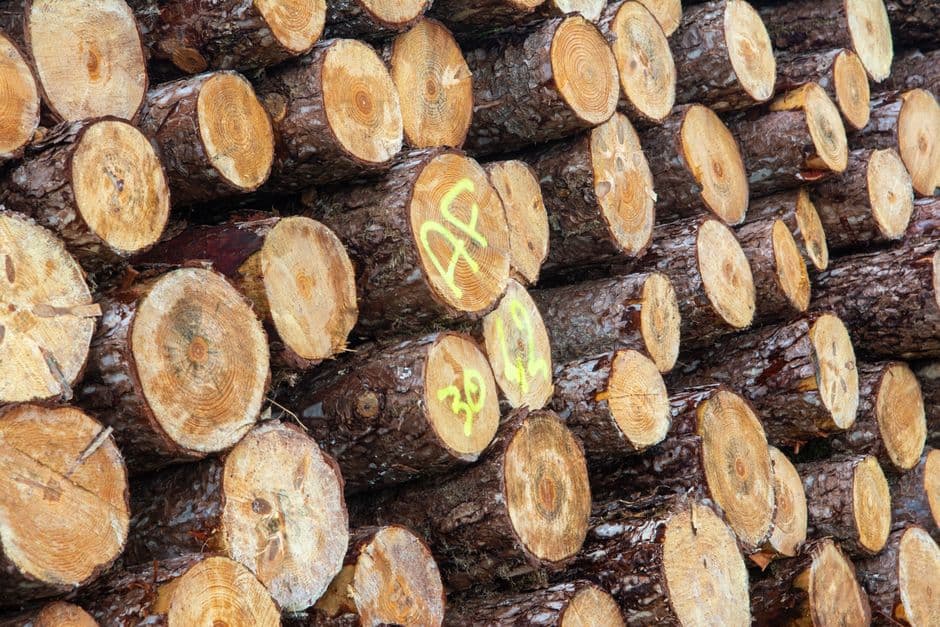
Greenpeace International has levelled fresh accusations at Ikea over wood sourcing practices in European forests, claiming the furniture giant is not delivering on biodiversity protection commitments. This is not new terrain – Ikea has faced repeated scrutiny over forestry practices for years – but the allegation carries weight because it targets the gap between stated environmental pledges and on-the-ground impact. The company's scale matters here: as one of the world's largest furniture retailers, Ikea's sourcing decisions ripple through supply chains across Russia, the Baltics, and Central Europe, regions where old-growth and biodiverse forests remain under pressure from industrial logging. Greenpeace's critique hinges on whether Ikea's procurement standards actively prevent habitat destruction or merely manage risk at arm's length. The distinction is material. A company can tick compliance boxes – certifications, audits, third-party verification – while supply chains still fragment ecosystems. For procurement teams and investors, this raises a practical question: what does due diligence on biodiversity actually look like when applied to commodity forestry? Ikea says it sources responsibly; Greenpeace says the evidence doesn't match the rhetoric. That gap – between assertion and verification – is where greenwashing risk lives. The furniture sector depends on timber volume. That economics doesn't change. But how Ikea answers these charges will signal whether its environmental commitments are operationalised or performative.