
Oil spill washes up on UAE beaches after tanker strike
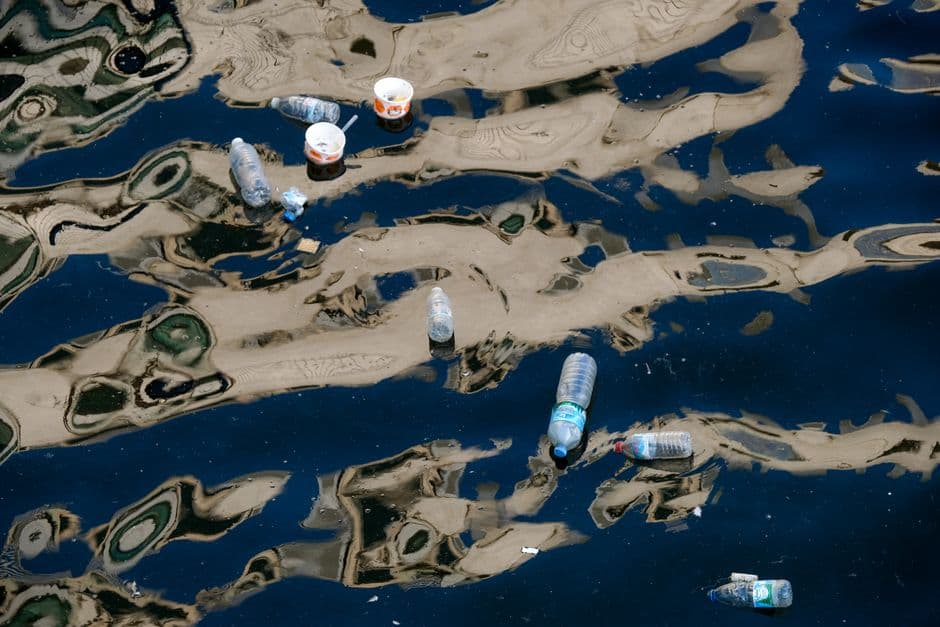
An oil tanker strike has released crude into UAE coastal waters, with satellite imagery tracking slicks extending miles along the shoreline. The spill threatens local marine ecosystems and fisheries – a visceral reminder that environmental incidents don't require intent to cause damage, only proximity and negligence.
UAE beaches now face immediate contamination. Wildlife exposure is certain: seabirds, fish larvae, and benthic organisms face respiratory and neurological harm from hydrocarbons. Cleanup costs will run into millions, but remediation timelines are measured in years, not weeks.
For ESG practitioners, this is neither abstract climate policy nor net-zero target-setting. It's operational risk made visible. Organisations with Gulf region exposure – shipping firms, energy majors, logistics networks, insurers – must now model incident response protocols and third-party liability chains. The incident also exposes gaps in regional marine governance: tanker routing, ballast water standards, emergency response coordination across maritime zones.
The broader pattern is clear: acute environmental incidents are becoming audit triggers for board-level risk committees. Investors increasingly scrutinise supply chain vulnerability to sudden environmental shocks. This spill will force disclosure conversations about marine operational resilience that boardrooms have deferred.
What's your organisation's exposure to coastal operations, and do your risk registers account for unplanned environmental incidents as material events requiring disclosure?