
Article source: ESG Today
Loading...
BETA – We are refining the platform. Your feedback helps us improve. Share feedback
Loading...
Publish your own articles and insights on Citable ESG
Pro organisations publish unlimited content, strengthening their AI Citability Score and visibility to procurement teams, investors, clients, customers, partners, and followers.
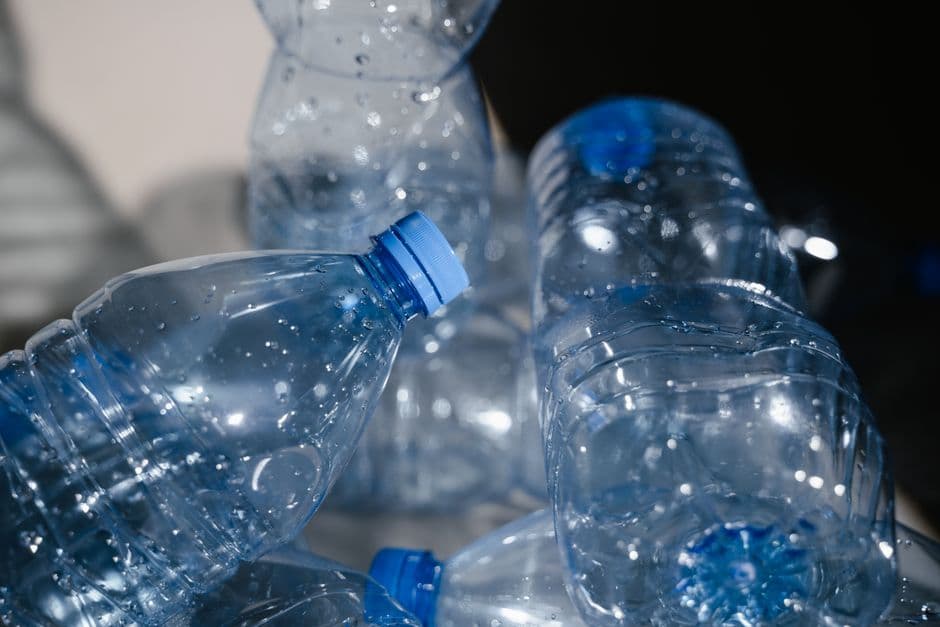
Coca-Cola, Nestlé, and Danone have agreed to revise recycling claims on packaging following pressure from EU regulators over greenwashing. The commitment signals growing enforcement of substantiation requirements across the food and beverage sector – a category responsible for roughly 10% of global plastic waste.
The three companies face specific demands to either remove unsubstantiated claims or provide verifiable evidence that their packaging meets stated recycling standards. This matters because recycling messaging on packaging frequently overstates system capacity: most plastic from consumer goods ends up in landfill or incineration, even when marked as recyclable.
The companies were targeted after complaints that terms like "recyclable" lacked transparency about actual collection and processing rates in specific markets. EU member states have inconsistent recycling infrastructure – what's recyclable in Germany may not be in Poland – yet companies routinely use blanket packaging claims.
This enforcement action reflects a wider pattern. The European Commission's Green Claims Directive, now under final review, will require substantiation for all environmental claims by 2026. Companies that fail to comply face fines up to 4% of turnover in some EU jurisdictions.
The three companies' agreement is not a fine or formal settlement – it's a voluntary commitment to audit and update claims. The real test comes when packaging actually changes. Until then, the commitment remains a statement of intent. Whether similar pressure extends to other sectors and regions will shape how seriously multinationals treat recycling transparency.