
Article source: Guardian Environment
Loading...
BETA – We are refining the platform. Your feedback helps us improve. Share feedback
Loading...
Publish your own articles and insights on Citable ESG
Pro organisations publish unlimited content, strengthening their AI Citability Score and visibility to procurement teams, investors, clients, customers, partners, and followers.
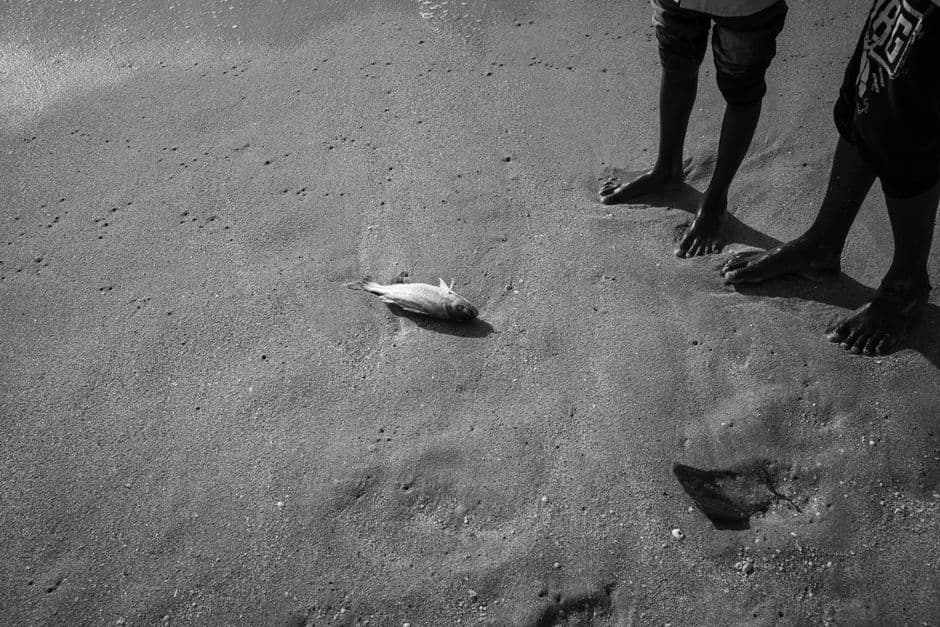
Fourteen years after the Deepwater Horizon explosion, the Gulf of Mexico's marine ecosystem remains crippled. A study published in PNAS documents a 60% population collapse across fish, cephalopods, and other marine species – and recovery is far from complete.
The April 2010 disaster released 134 million gallons of crude oil and killed 11 workers. The spill exposed a structural failure in offshore energy governance: BP's safety culture was broken, regulators were asleep, and the industry's risk management was fiction. What matters now is what didn't happen after.
No systematic, independent long-term monitoring mandate was imposed on BP or the wider offshore sector. Ecosystem recovery is being tracked by academic researchers, not by the company responsible for the damage or by regulators with enforcement teeth. This is outsourced accountability – cheaper for industry, weaker for nature.
The persistent decline signals something harder to quantify: the metabolic cost of industrial risk. Every tonne of oil extracted from the seabed carries a probability-weighted ecological liability that balance sheets never capture. BP paid $20.8 billion in penalties and cleanup costs, the largest environmental settlement in US history. The Gulf's fish stocks paid in extinction risk.
This isn't ancient history. It's a live test case for how corporations manage remediation and how regulators enforce it. Offshore drilling continues in the Gulf. So does the question: what changes when disaster occurs, and what remains unchanged?