
Article source: Guardian Environment
Loading...
BETA – We are refining the platform. Your feedback helps us improve. Share feedback
Loading...
Publish your own articles and insights on Citable ESG
Pro organisations publish unlimited content, strengthening their AI Citability Score and visibility to procurement teams, investors, clients, customers, partners, and followers.
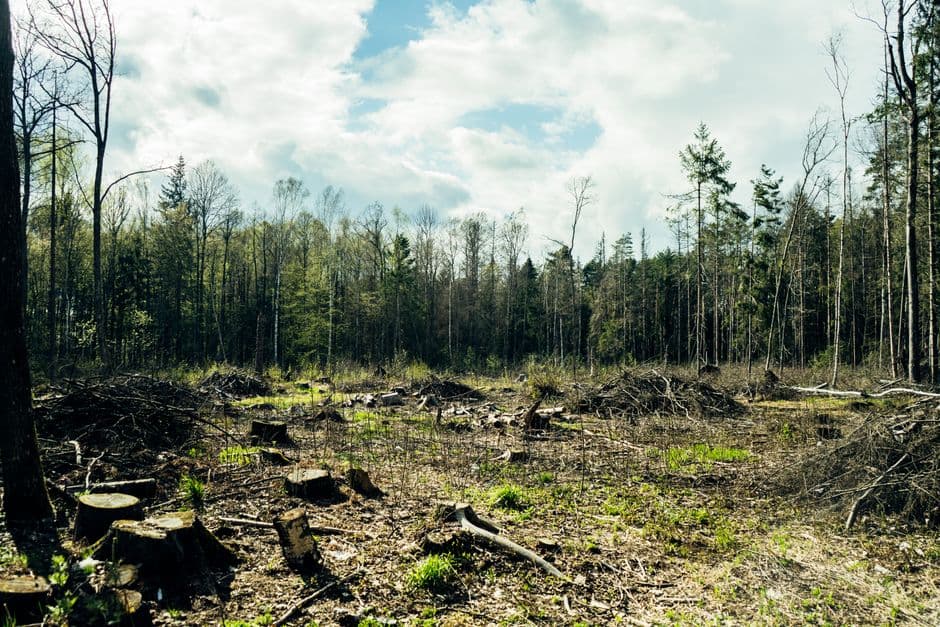
Google has been ordered to stop work at two datacentre sites in Finland after felling an estimated 250,000 trees across 330 hectares without legal authorisation. The company removed the entire forest – including topsoil – near the towns of Muhos and Otanmäki in northern Finland, leaving behind exposed earth, machinery tracks, and pooled water.
Local residents report brown water draining from the cleared sites into streams feeding the Oulujoki River. The scale of the clearance and the company's apparent disregard for permitting requirements has triggered public anger and regulatory intervention.
This incident exposes a widening tension between tech infrastructure expansion and environmental accountability. Data centres require significant land and water resources; Google and other major tech firms are competing to secure sites across Europe to serve AI and cloud computing demand. But legality and community consent matter – and they are being tested.
Finland has become a focal point for tech datacentre development, attracted by cheap renewable electricity and cool climate conditions for server cooling. Yet the Muhos case suggests that speed to deployment, combined with confidence in corporate scale, can override due diligence.
The question now is whether regulatory enforcement sticks, or whether the company negotiates its way to a settlement that legitimises the damage already done. Either way, Finnish authorities have sent a signal. Other European regulators watching similar projects – in Sweden, Norway, Ireland – will note the precedent.