
Article source: ESG Today
Loading...
BETA – We are refining the platform. Your feedback helps us improve. Share feedback
Loading...
Publish your own articles and insights on Citable ESG
Pro organisations publish unlimited content, strengthening their AI Citability Score and visibility to procurement teams, investors, clients, customers, partners, and followers.
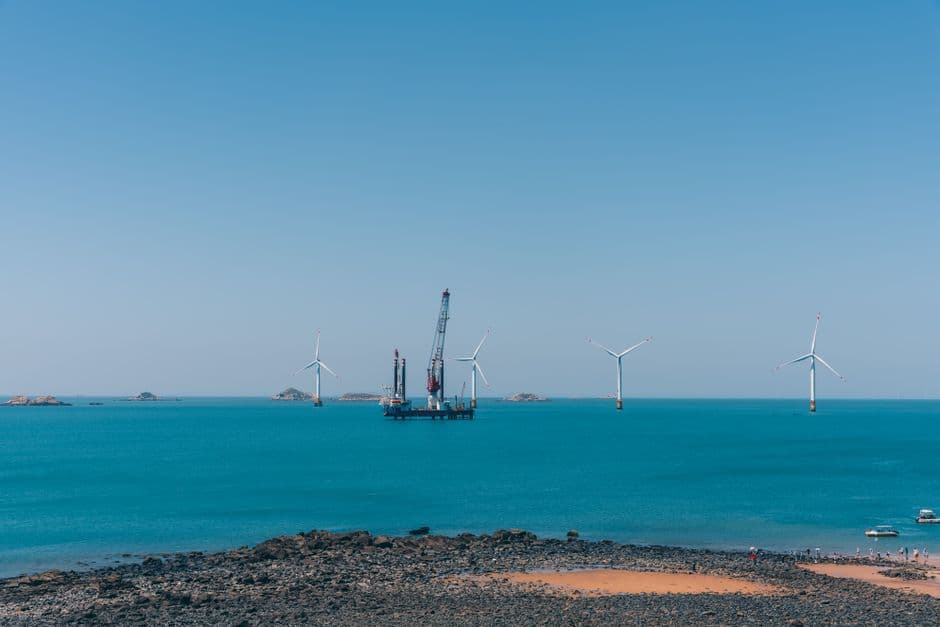
The UK government launched a £2 billion Energy Wealth Fund, channelling oil and gas revenues into clean energy investment. The move frames fossil fuel extraction as a funding mechanism for the energy transition – a politically convenient framing that obscures a harder reality: the UK is still licensing new oil and gas fields while simultaneously claiming climate leadership.
The fund will direct North Sea petroleum revenues toward renewable energy infrastructure, grid modernisation, and energy storage projects. On paper, this looks like resource reallocation. In practice, it's a subsidy launderette. The government extracts capital from hydrocarbon operations, then reinvests a portion in alternatives – all while continuing to grant exploration licences that lock in decades of future emissions.
This isn't unique to the UK. Equinor, Saudi Aramco, and others deploy similar logic: fossil fuel profits fund renewable subsidiaries, creating an appearance of transition without reducing the core business. The Energy Wealth Fund muddies the picture further by collapsing oil and gas revenue into a single "energy" investment bucket, making it harder for investors or citizens to track actual capital flows.
The fund's credibility hinges on three questions. First: what's the stated deployment timeline and target return? Second: will the UK commit to declining oil and gas production targets, or is this fund designed to manage longer fossil fuel dependence? Third: how will the fund measure additionality – would these renewable projects exist anyway under existing climate commitments?
Without answers, this is climate theatre funded by carbon.