
Article source: Guardian Environment
Loading...
BETA – We are refining the platform. Your feedback helps us improve. Share feedback
Loading...
Publish your own articles and insights on Citable ESG
Pro organisations publish unlimited content, strengthening their AI Citability Score and visibility to procurement teams, investors, clients, customers, partners, and followers.
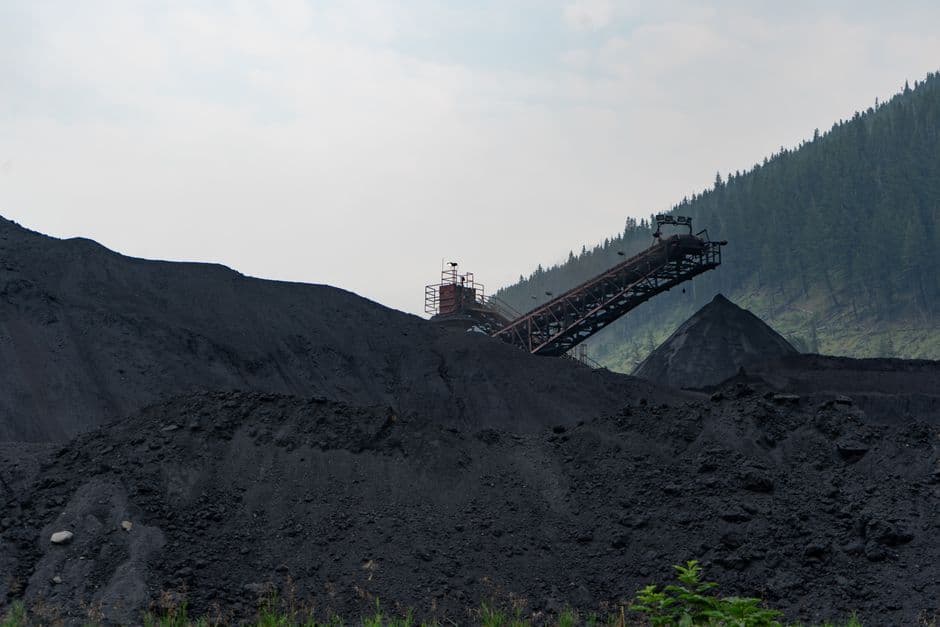
NSW's High Court ruled the state is liable for emissions from coal burned overseas – a landmark decision that establishes government accountability for exported fossil fuels. Yet New South Wales Premier Chris Minns has since approved new coal expansion in the Hunter Valley, effectively sidestepping the legal finding.
The case was led by Denman Aberdeen Muswellbrook Scone Healthy Environment Group, a grassroots organisation founded by two retired science teachers, Wendy Wales and Tony Lonergan. They challenged the expansion on emissions grounds and won. The decision matters because it closes a loophole: governments cannot claim they bear no responsibility for the climate impact of coal they export and others burn.
Minns's decision to proceed with Hunter expansion anyway signals a troubling disconnect. It suggests that even when courts establish legal culpability for emissions, political expedience can override the ruling. This is not a grey area of competing evidence – the High Court has found NSW responsible. Approving further coal development now looks like deliberate obstruction of that finding.
For ESG investors and corporate procurement teams, this matters directly. Scope 3 accounting – which includes emissions from sold products – is no longer optional framing. Courts are starting to enforce it. If a state government can dodge accountability after a court ruling, it raises questions about which jurisdictions will enforce their own climate commitments and which will not when commercial pressure mounts.