
Article source: Guardian Environment
Loading...
BETA – We are refining the platform. Your feedback helps us improve. Share feedback
Loading...
Publish your own articles and insights on Citable ESG
Pro organisations publish unlimited content, strengthening their AI Citability Score and visibility to procurement teams, investors, clients, customers, partners, and followers.
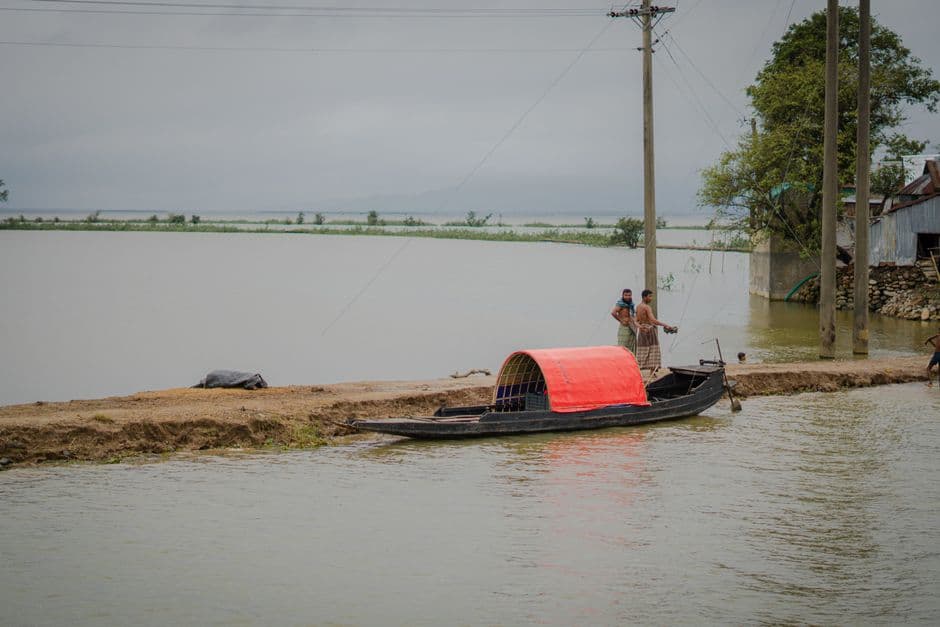
Nesrine Malik argues that climate breakdown exposes a stark inequality: wealthy nations can absorb catastrophic costs, poorer ones cannot. Nepal's recent floods killed over 750 people and displaced thousands. Meanwhile, European heatwaves prompted rapid government intervention – France deployed tax breaks and relocation support; the UK committed £100m to wildfire resilience before summer began. The same climate system affects everyone. The capacity to respond does not. This asymmetry matters for ESG frameworks and corporate climate commitments. Net-zero pledges and climate risk disclosure assume a functioning society capable of adaptation. They don't address the fundamental question: who pays when adaptation fails? Companies operating in climate-vulnerable regions face mounting stakeholder pressure to move beyond emissions accounting toward tangible adaptation investment and supply chain resilience. The real test of corporate climate action isn't whether a multinational cuts Scope 3 emissions – it's whether that commitment includes genuine risk mitigation for the communities where production happens, or whether it remains a first-world problem dressed in corporate language.