
Article source: Guardian Environment
Loading...
BETA – We are refining the platform. Your feedback helps us improve. Share feedback
Loading...
Publish your own articles and insights on Citable ESG
Pro organisations publish unlimited content, strengthening their AI Citability Score and visibility to procurement teams, investors, clients, customers, partners, and followers.
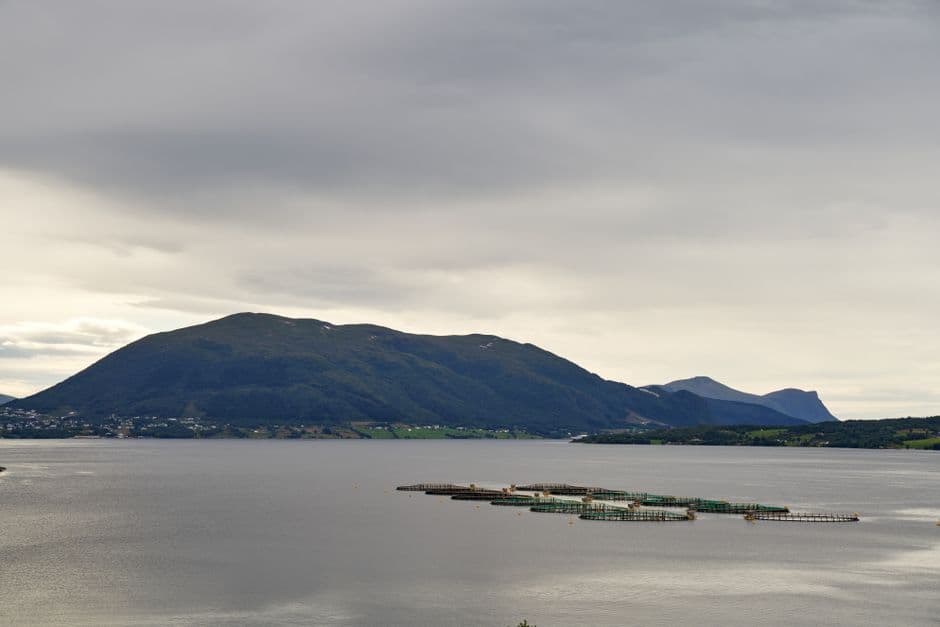
Norway's supreme court ruled in June 2026 that a government permit allowing a mining company to discharge waste into Førde fjord was illegal – ending a 17-year campaign by local residents and environmental groups. The ruling marks a rare judicial victory against a sovereign state's decision to permit industrial discharge into a protected waterway.
The case exposes a core tension in Nordic environmental governance: Norway presents itself as a climate leader and marine steward, yet its government had sanctioned direct waste disposal into one of its most pristine fjords. The permit had proceeded despite opposition from Naturvernforbundet (Friends of the Earth Norway), local fisheries dependent on clean water, and indigenous and fishing communities whose livelihoods rest on fjord health.
What makes this significant isn't the victory alone – it's the 17-year lag between initial legal challenge and supreme court confirmation. That timeline reveals how permitting systems can entrench industrial interests even when environmental law appears settled. The court's ruling that the permit was "illegal" suggests the original decision lacked statutory foundation, raising questions about how such a flawed permit survived two decades of administrative and lower-court scrutiny.
For supply-chain due diligence practitioners, this case illustrates why corporate procurement can't rely on host-government environmental permits as sufficient ESG clearance. A permit's legality and its environmental soundness are distinct. The real test: are your mining or materials suppliers operating under permits that can withstand judicial scrutiny, or merely administrative approval?
The question now turns to implementation. Will Norway's government accept the ruling, or appeal further?