
Article source: ESG Dive
Loading...
BETA – We are refining the platform. Your feedback helps us improve. Share feedback
Loading...
Publish your own articles and insights on Citable ESG
Pro organisations publish unlimited content, strengthening their AI Citability Score and visibility to procurement teams, investors, clients, customers, partners, and followers.
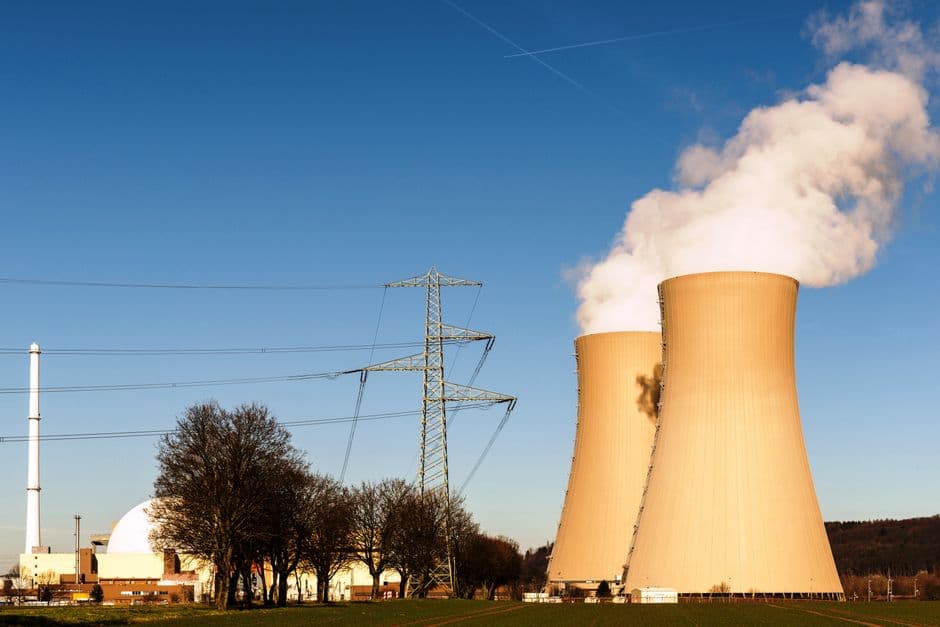
Google and Constellation Energy have signed a 20-year power purchase agreement (PPA) delivering 890 megawatts of new nuclear capacity. The deal extends existing nuclear generation and represents a direct bet on fission as baseload power for large-scale computing operations.
This is not a carbon-offset story or greenwashing posture. Google faces a hard problem: data centres require continuous, reliable electricity at unprecedented scale, and intermittent renewables alone won't solve it. Nuclear generation provides that, but the sector has struggled with capital deployment and regulatory momentum for decades. Constellation's willingness to expand is partly confidence in long-term off-take certainty from a creditworthy buyer.
The second element – an "AI for energy" framework – is where the partnership becomes more interesting. Google will support Constellation in applying machine learning to grid optimisation, demand forecasting, and operational efficiency. This is substantive technology transfer, not branding exercise.
But questions linger. The 890 MW capacity window matters: when does it come online? Constellation's existing fleet includes older reactors; is this expansion new-build or life extension? And what happens to Constellation's carbon intensity targets if nuclear ramp-up slows? The PPA is valuable security, yet neither party has disclosed specific emissions reductions targets or whether this generation counts toward Google's scope 2 commitments. Transparency on those mechanics would separate genuine decarbonisation from procurement narrative.