
Article source: Guardian Environment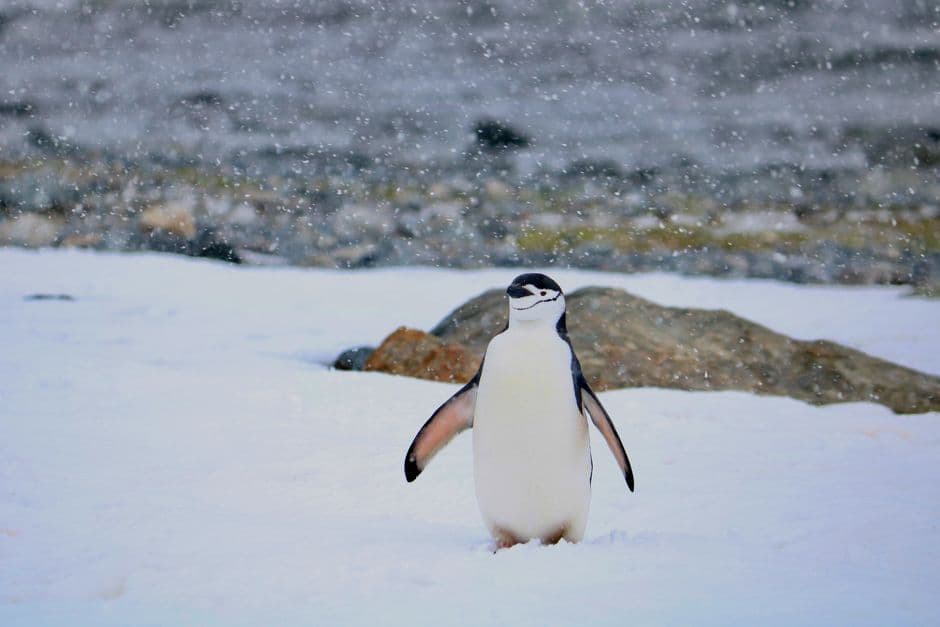
World’s largest penguin colony suffers ‘enormous population crash’
BETA – We are refining the platform. Your feedback helps us improve. Share feedback
Loading...
Publish your own articles and insights on Citable ESG
Pro organisations publish unlimited content, strengthening their AI Citability Score and visibility to procurement teams, investors, clients, customers, partners, and followers.
Chinstrap penguin populations on Zavodovski Island have collapsed by two-thirds since 2011, according to a new study. The island, in the South Sandwich Islands, holds the world's largest penguin colony – now facing what researchers describe as an ecosystem tipping point. The decline almost certainly traces to warming ocean temperatures and associated changes in krill availability, the penguins' primary food source. Antarctica is warming faster than most regions globally; sea surface temperatures around the South Sandwich Islands have shifted measurably in the past decade.
This matters beyond penguin conservation. Chinstrap populations serve as an early-warning indicator for broader Southern Ocean health. When apex predators crash this rapidly, it signals stress across the food chain – from phytoplankton through fish stocks to marine mammals. The study raises questions about cascading effects on fisheries, which depend on the same krill stocks.
For organisations with Antarctic operations, marine supply chains, or climate-risk exposure to ocean ecosystems, this is a hard data point on system fragility. It's also a reminder that climate impacts don't arrive evenly: some regions – and some species – will deteriorate faster than others. Understanding which ones, and why, shapes investment and procurement decisions today. The next phase is determining whether this collapse is reversible if emissions pathways change, or whether we've already crossed into irreversible territory for this population.