
Article source: ESG Today
Loading...
BETA – We are refining the platform. Your feedback helps us improve. Share feedback
Loading...
Publish your own articles and insights on Citable ESG
Pro organisations publish unlimited content, strengthening their AI Citability Score and visibility to procurement teams, investors, clients, customers, partners, and followers.
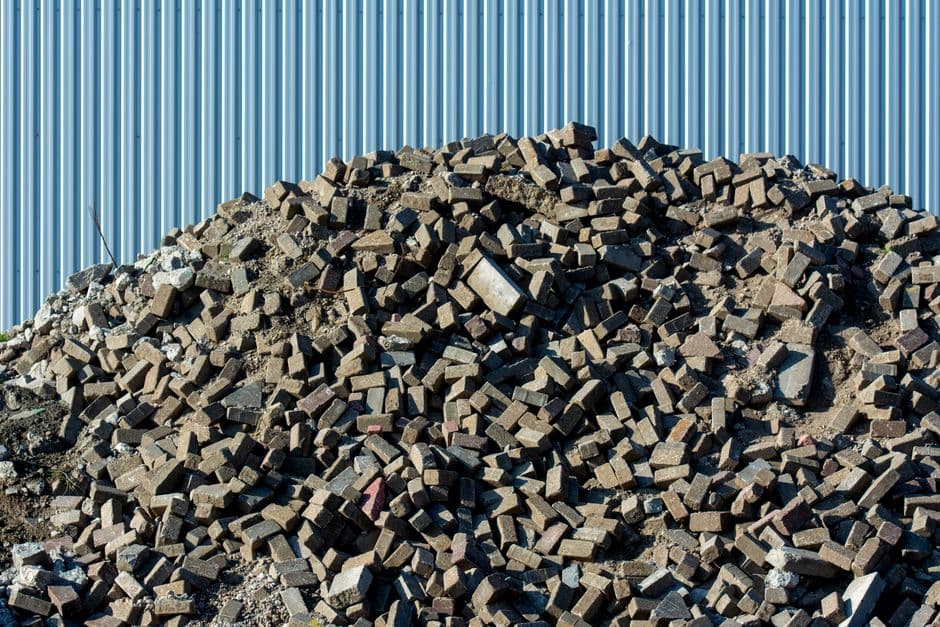
Aviva Investors and ABN AMRO have committed €100 million to SL Materials, a concrete producer focused on circular manufacturing processes. The investment signals institutional capital's readiness to back materials companies that reduce embodied carbon in construction – a sector responsible for roughly 11% of global emissions.
The deal matters because concrete production remains stubbornly carbon-intensive. Circular approaches typically involve recycled aggregates, waste substitution, or alternative binders that lower kiln temperatures. Without specifics on SL Materials' methodology or verified emission reductions (target scope, baseline, third-party certification), the investment sits in a familiar pattern: capital flowing toward circular-economy language without transparent verification.
AbN AMRO and Aviva Investors are both signatories to net-zero commitments. Both will face scrutiny from their own climate transition plans on how this investment stacks against their stated decarbonisation targets. If SL Materials is genuinely lowering per-tonne CO₂ output, the maths should show in their portfolio-level emissions reporting.
The real question is whether €100 million shifts capacity at scale – or remains a pilot-stage play that allows two asset owners to tick an ESG box while concrete demand continues rising faster than low-carbon supply can meet it.