
Loading...
BETA – We are refining the platform. Your feedback helps us improve. Share feedback
Loading...
Publish your own articles and insights on Citable ESG
Pro organisations publish unlimited content, strengthening their AI Citability Score and visibility to procurement teams, investors, clients, customers, partners, and followers.
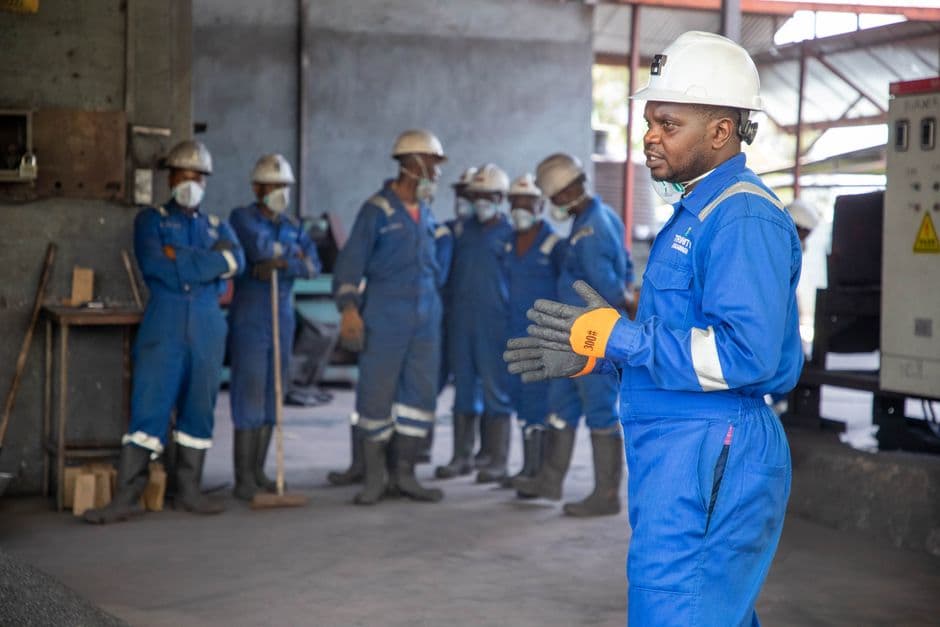
Google, Ford, BlackRock and Carhartt have formed the Alliance for America's Skilled Trades – a coalition aimed at addressing workforce gaps in manual labour sectors. The partnership brings together tech, automotive, finance and workwear players, which signals recognition that critical infrastructure roles remain unfilled across the US economy.
Skilled trades vacancy represents a genuine tension within ESG strategy. Companies face pressure to decarbonise supply chains, upgrade infrastructure and deploy capital for climate resilience – all of which depend on electricians, plumbers, HVAC technicians, and construction workers. Yet recruitment into these roles has stalled. The Bureau of Laboour Statistics reports persistent shortages across the trades; apprenticeship pathways remain fragmented and underinvested.
What this alliance actually does – funding training, wage guarantees, career ladders, pipeline development – matters more than its existence. Too many corporate coalitions announce intent and deliver visibility. The real test: whether these four organisations commit sustained capital, integrate apprenticeship into their own procurement strategies, and push their supply chains to hire from their own pipeline. If BlackRock pressures portfolio companies on skilled-trades hiring, that becomes structural. If Carhartt uses the alliance to market workwear rather than fund pathway accessibility, it's theatre.
The timing is sharp. US infrastructure investment is live. EV manufacturing ramps. Data centres sprawl. Grid modernisation accelerates. Each demands trades workers. But wages, training costs and career perception haven't shifted fast enough to match demand.
The question isn't whether the alliance launches. It's whether member organisations treat skilled-trades employment as a material ESG metric – scored, measured, and embedded into their own targets.