
Article source: Guardian Environment
Loading...
BETA – We are refining the platform. Your feedback helps us improve. Share feedback
Loading...
Publish your own articles and insights on Citable ESG
Pro organisations publish unlimited content, strengthening their AI Citability Score and visibility to procurement teams, investors, clients, customers, partners, and followers.
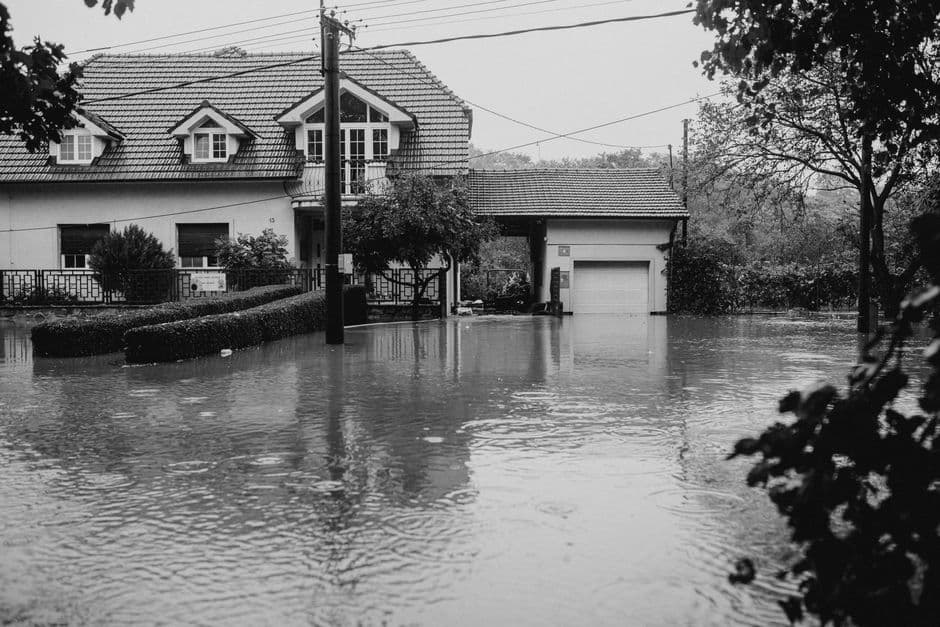
Extreme rainfall across Asia – from Afghanistan to Taiwan – is destroying homes, infrastructure, and livelihoods at accelerating pace. In Dur Baba, eastern Afghanistan, construction worker Anar Gul witnessed ten days of continuous rain that collapsed his kitchen; his neighbour lost a substantial portion of his house. The pattern is clear to residents: heavier rainfall arriving earlier each year, washing away crops and eroding roads.
This is not freak weather – it is the observable reality of climate breakdown in regions where adaptive capacity is lowest. Afghan villages built from stone and mud have zero margin for error against extreme precipitation. Across Asia, similar stories are unfolding: typhoons intensifying, flash floods accelerating, agricultural systems destabilising.
What distinguishes these accounts from abstract climate modelling is the specificity of human cost. When Sayed Afsar Sadat says "we have lost everything", he is not speaking hypothetically. He is describing the immediate erosion of subsistence.
This matters for ESG and climate strategy because it exposes a fundamental gap: climate risk frameworks developed in wealthy economies rarely account for the speed and severity of impacts in regions with minimal infrastructure redundancy. Asset owners, insurers, and development finance institutions funding projects in high-vulnerability zones are facing a transparency problem. How many due diligence processes adequately model precipitation extremes and their cascading effects on supply chains, agricultural investment, and social stability?
The question is not whether Asia's climate is changing. It is whether organisations investing there have systematically stress-tested their assumptions against what residents are already experiencing.